(888) 402-1718

Light Stories
Helena Palau Arvizu
Portable Lamps
Far from seeing photography as something fixed, Helena Palau Arvizu approaches it as an open territory — one that welcomes change. Prints, cut-outs and layers form part of a visual language that embraces experimentation as a way of looking, creating and returning to the image.
On the occasion of her collaboration for Light Stories, in which she reinterprets three portable Marset lamps, we spoke with the photographer and visual artist about the artistic value of process, making by hand in the age of artificial intelligence, and the beauty of imperfection.
For those discovering your work for the first time, how would you describe your visual universe?
HPChaotic and constantly expanding. It is dense and physical: there is a lot going on —techniques, materials, approaches— but everything has a tactile presence, as if you could touch it. It is certainly not minimalist, nor is it defined by a single gesture.
Is there a common thread running through your projects?
HPFor now, curiosity. The desire to try, to combine and to see what happens. I am also very drawn to identity and perception; they appear often in my more personal projects.
And a reaction you hope to provoke?
HPI barely think about it. Should I? I like the idea of people wanting to keep looking.
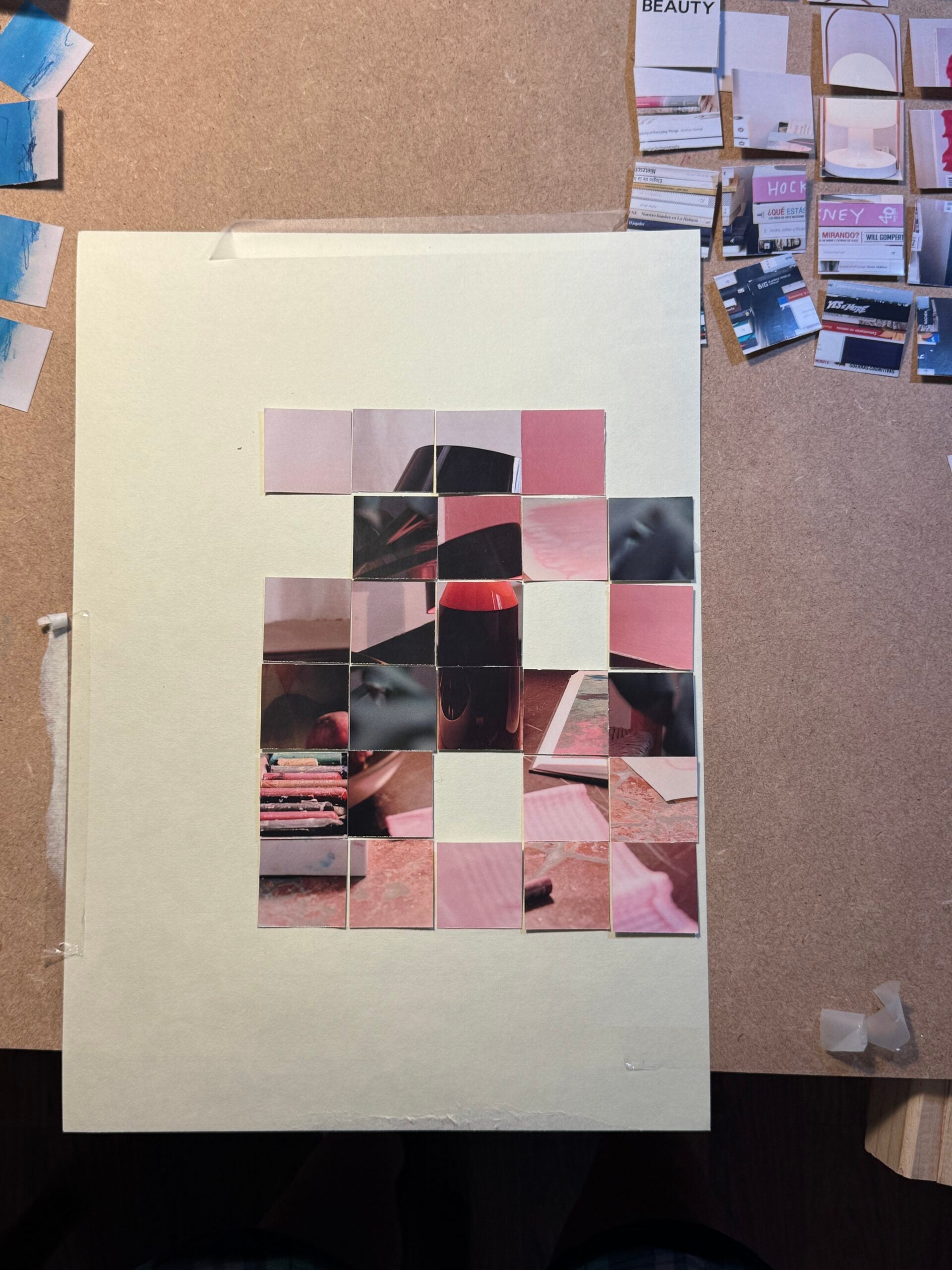
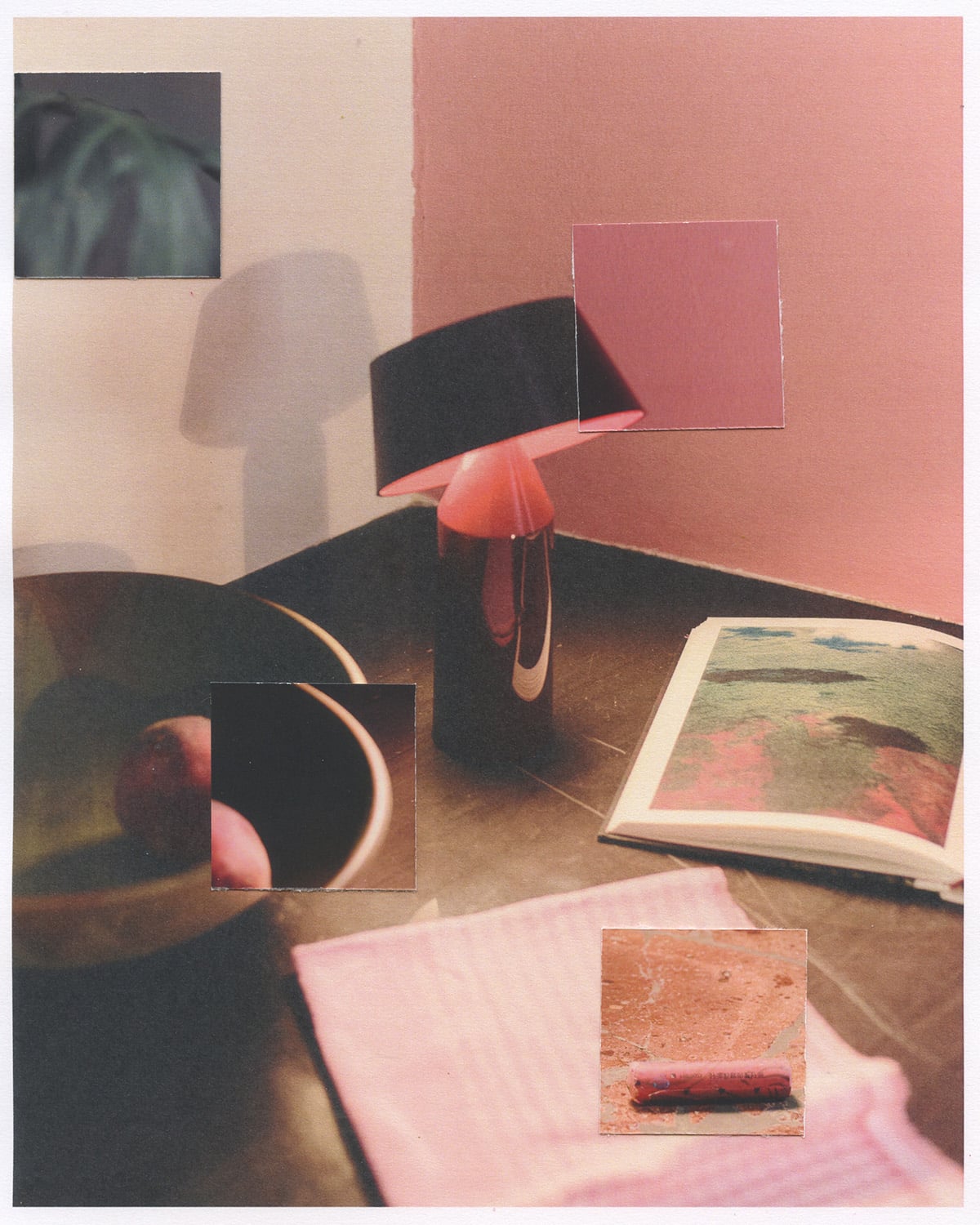
Your practice brings together photography, video and manual experimentation. Why intervene in an image rather than consider it finished?
HP I have been taking photographs for many years, but only started intervening in them three years ago. Something must have happened around that time, because I suddenly became bored with taking a picture and calling it done. In fact, the idea of a finished photograph as such does not convince me: an image will always be willing to continue the conversation, whether through intervention or simply by looking at it again. Part of it is also impulsive. At the risk of sounding possessed, I do it because that's what my body tells me to do. I find it much more enjoyable, and I would rather paint with a wooden pencil than with Lightroom’s brush tool.
Where does your process usually begin?
HPFrom a very physical and intuitive place: printing, touching, trying things out. Other times it starts from a very clear source of inspiration. I come across something I find striking or enigmatic, and I try to create something similar. I do not always know how it will end up.
Cut-outs, textures and layering often find their way into your meta-images. What do you find in working with your hands that you cannot achieve through an entirely digital process?
HPHands have an intelligence of their own. When I work physically, certain decisions seem to make themselves in the moment. Digitally, knowing I can always undo feels paralysing. I am drawn to the irreversibility of the physical — I can only move forward, and that forces me to commit. There is also a question of style: I love the crooked cut, the crease, the texture, the stain, the unexpected gesture. None of that comes through digitally.
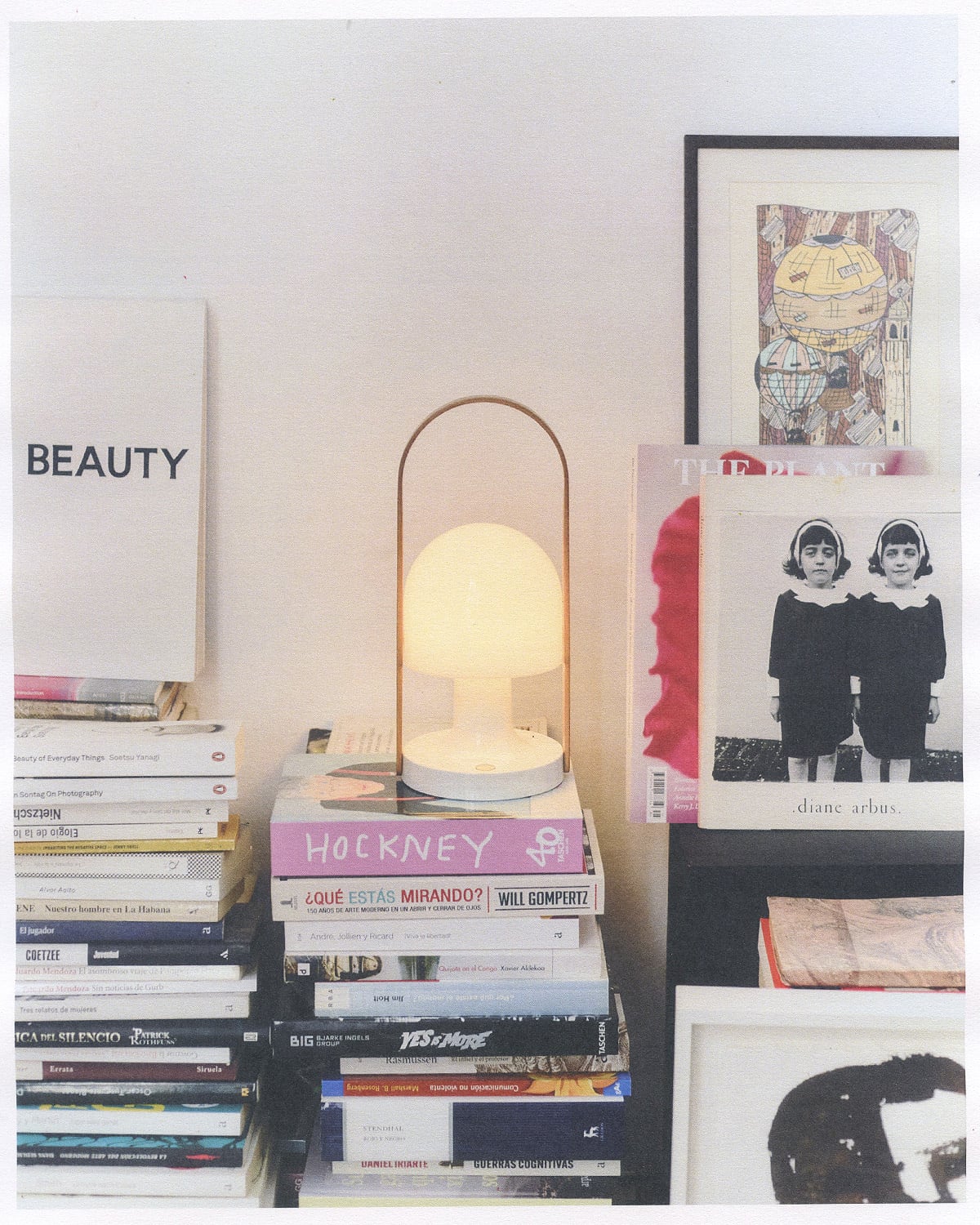
You often accompany your images with context, a narrative or even the creative process itself. Why is it important to you that photography extends beyond the final image?
HPKnowing how and why something was made brings you closer to the person behind the work, and that enriches it. Conceptual art proposed something radical and liberating: that the idea and the creative decisions can become the work itself, over the final object or technical skill. I identify strongly with this way of understanding artistic practice. I think that if my work resonates today, it is partly as a reaction against the rise of artificial intelligence. Seeing someone use their hands, show the process, put in the effort… it feels refreshing and inspiring.
In this edition of Light Stories, you work with three portable Marset lamps designed to accompany different moments of everyday life. What interested you about portraying that sense of the everyday?
HPI wanted to portray the everyday life of these lamps through my own. Rather than building scenes around them, I wanted them to appear where they actually are: besides my books, on my desk or on the kitchen worktop. I feel very present in these photographs that way. I think the lighting in your home says just as much about you as your personal belongings do.
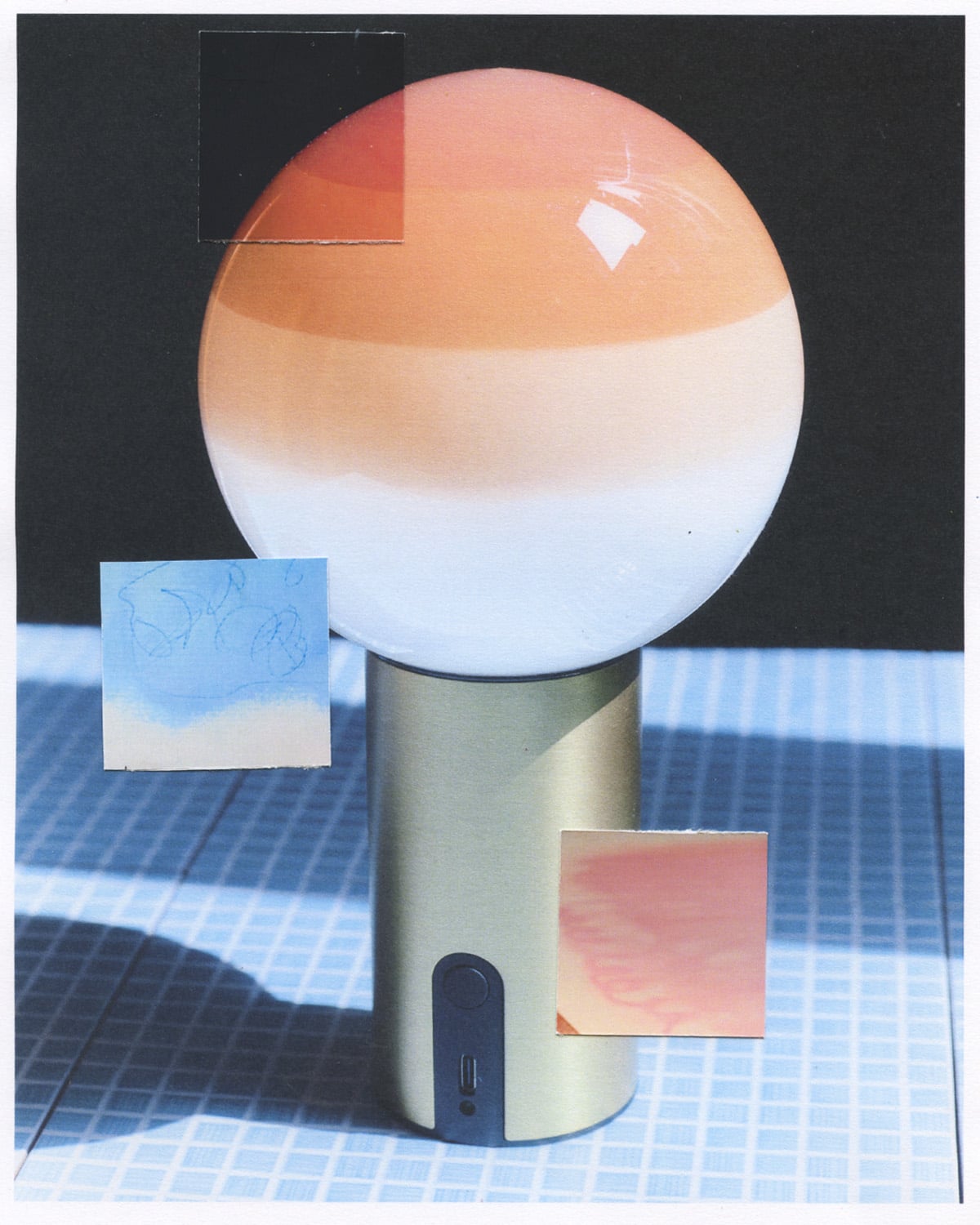
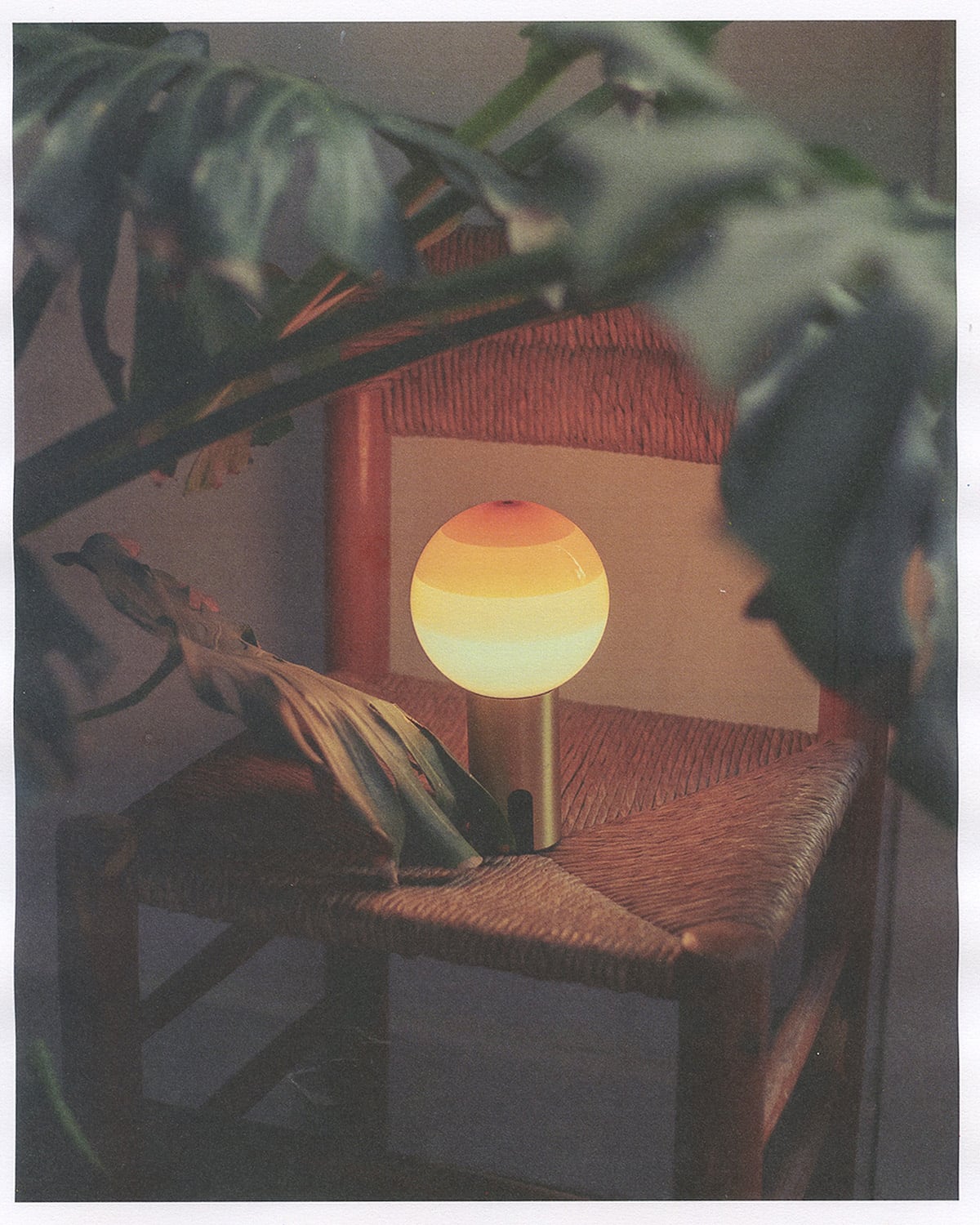
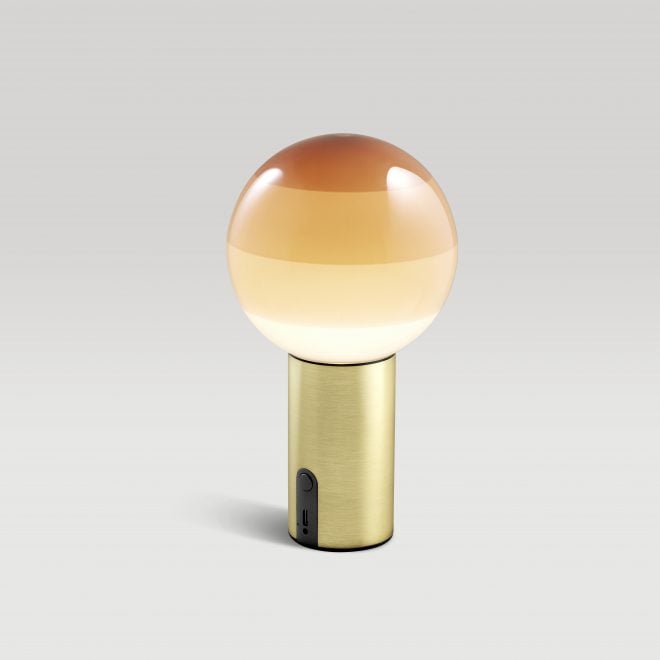
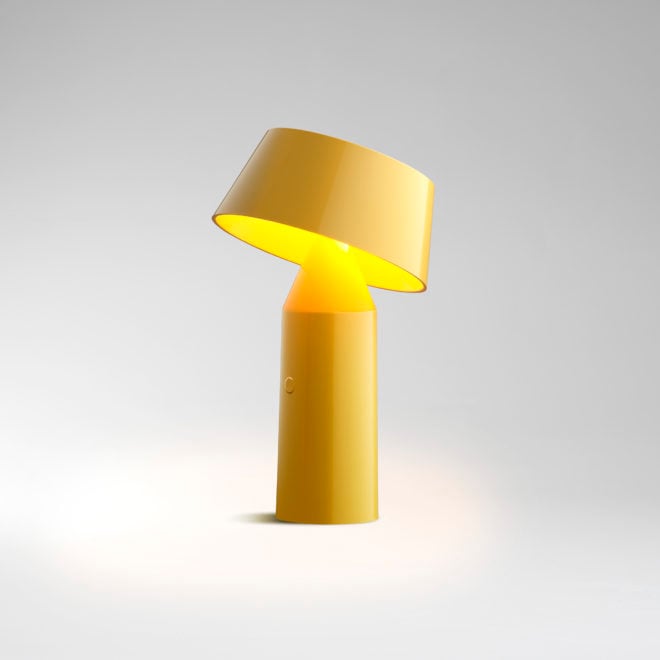
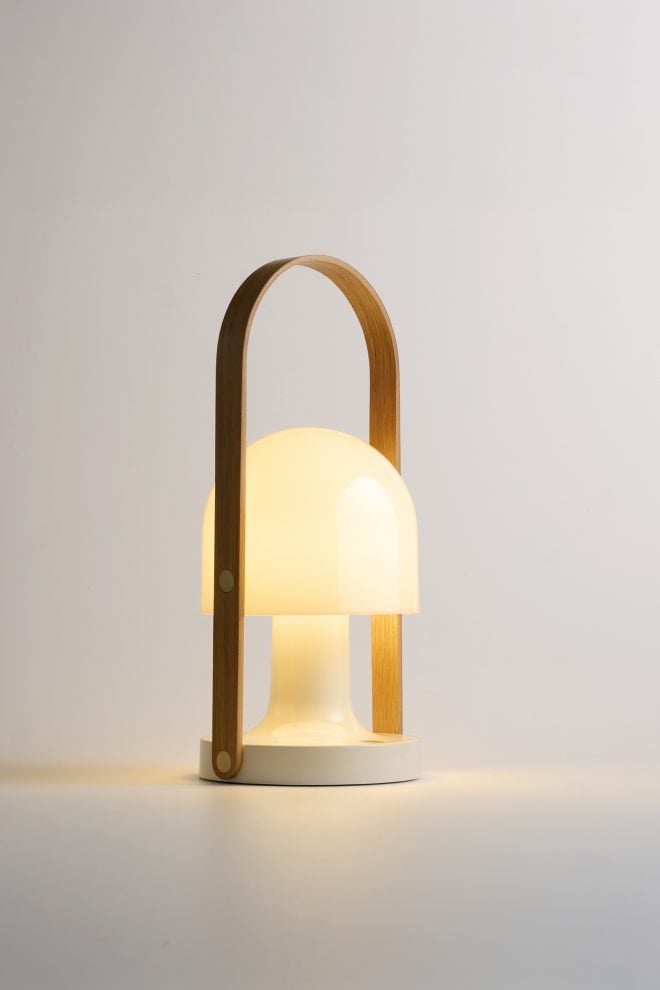
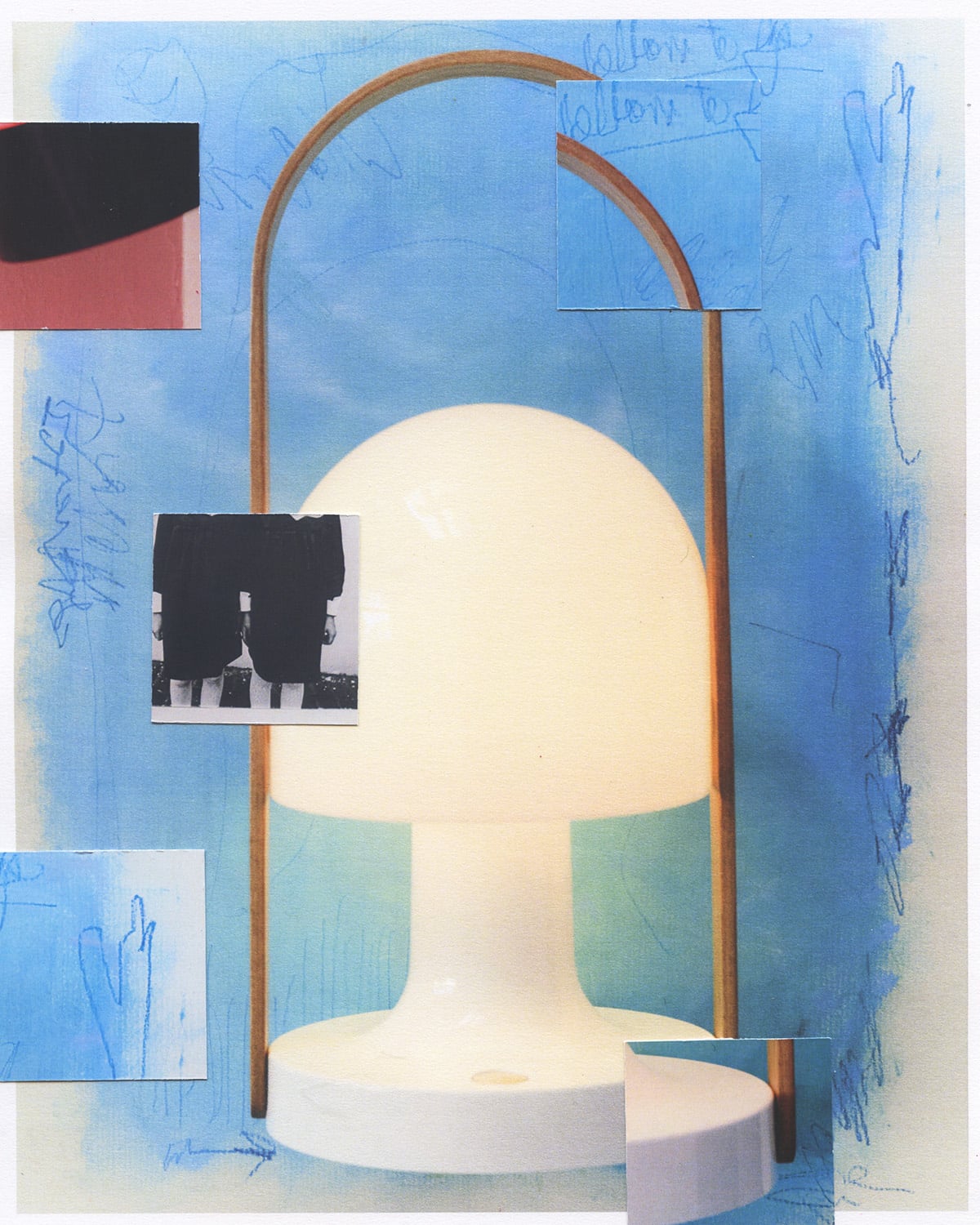
Rather than presenting them as finished objects, you transform Bicoca, FollowMe and Dipping Light through layers and fragments. How did that visual language take shape?
HPOnce the photographs are taken, my process always involves printing and scanning, because it adds a tactile, warm quality that reflects how my space is and how I work. Then comes improvisation: you discover what you are looking for as you go. There is an initial idea, yes, but the language comes together during the process. In this case, the cut-outs that emerged for the video ended up making their way into the still images as collage too.
The traces of the process remain visible in the final images. Was it important for those gestures to remain visible?
HPYes, it was important for people to see that everything has been made by hand, that no two cut-outs were exactly alike. That is not a flaw; it is a choice. People connect with that. If those traces were not visible, it would all feel like a template and lose its charm. It is not just nostalgia for craftsmanship: the trace carries information. Without it, the image has no story.
To finish: a place in the world whose light has stayed with you ever since.
HPThe Lofoten Islands in February. I travelled there with my mother a few years ago and we became obsessed with the skies. The colours shifted so gradually you barely noticed: pink, blue, peach... and then, slowly, night would fall.