(888) 402-1718

Light Stories
Tono Magrans
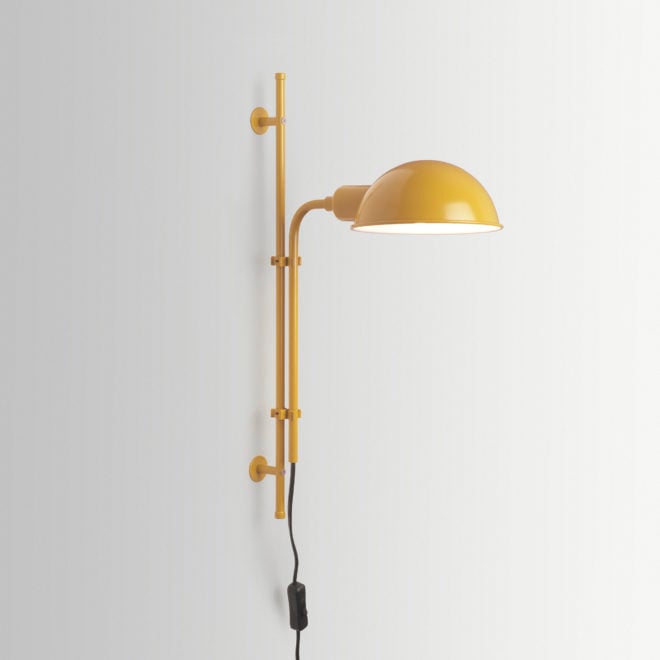
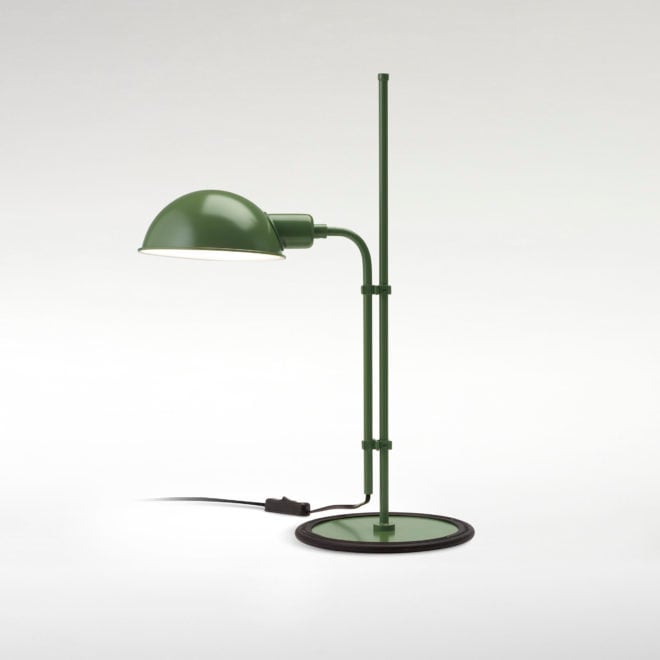
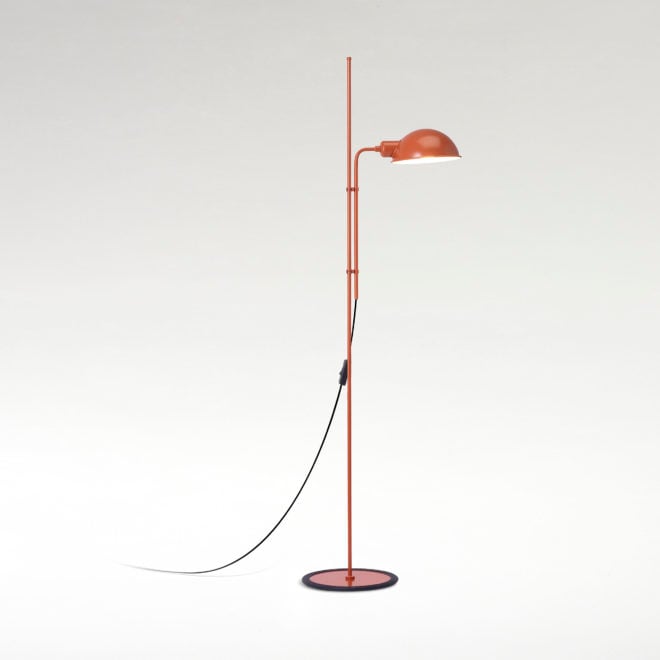
Funiculí
Working across graphic design, moving image and content creation, Tono Magrans’ practice moves constantly between the analogue and the digital. Objects sit at the heart of his approach: observing them, shaping their personality and imagining how they might speak or move, while integrating the creative process into the final outcome.
In this edition of Light Stories, the designer takes on the Funiculí collection by Lluís Porqueras. Starting from the lamp’s inherent movement, Magrans shifts its context, exploring new readings of a design that, more than four decades on, remains open to interpretation.
For those discovering your work for the first time, how would you describe your visual universe? Is there a common thread running through your projects?
TMI feel it’s too early to define a visual universe of my own. That said, movement lies at the core of my approach. My academic and professional background has given me a broad range of references, from the foundations of graphic design to motion designers, digital creators and programmers.
Identity, graphic campaigns, motion: your portfolio spans very different kinds of work. What makes a project feel like yours beyond a recognisable visual style?
TMMy practice is rooted in learning and making things myself. I’m drawn to more analogue ways of creating, but I almost always combine them with a digital dimension. Very few of my projects stay entirely within one or the other.s.
You’ve worked alongside designers with well-established careers, such as Mario Eskenazi. What did you learn from working with him? Is there anything from that experience that has found its way into your own practice?
TMBeing part of Mario’s studio has allowed me to experience the pace of pure graphic design alongside the much faster rhythm of creating content for social media.
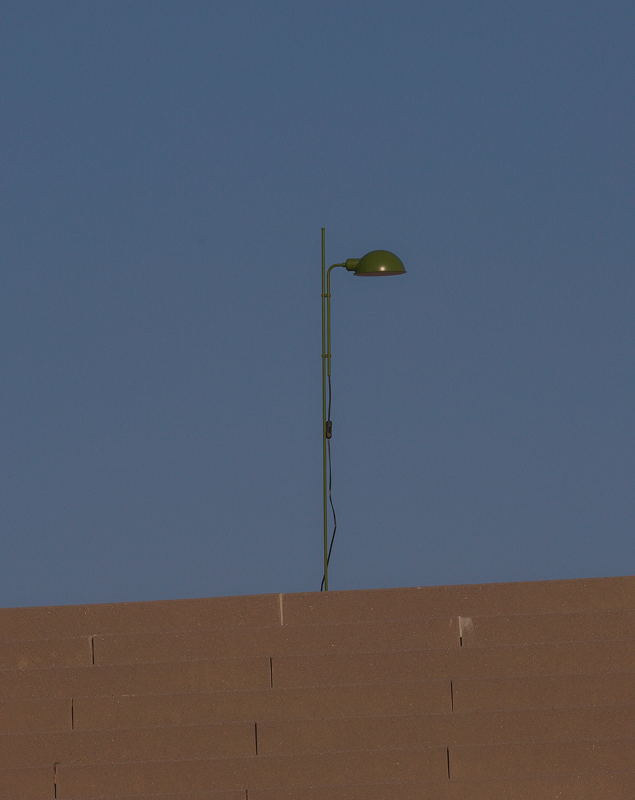
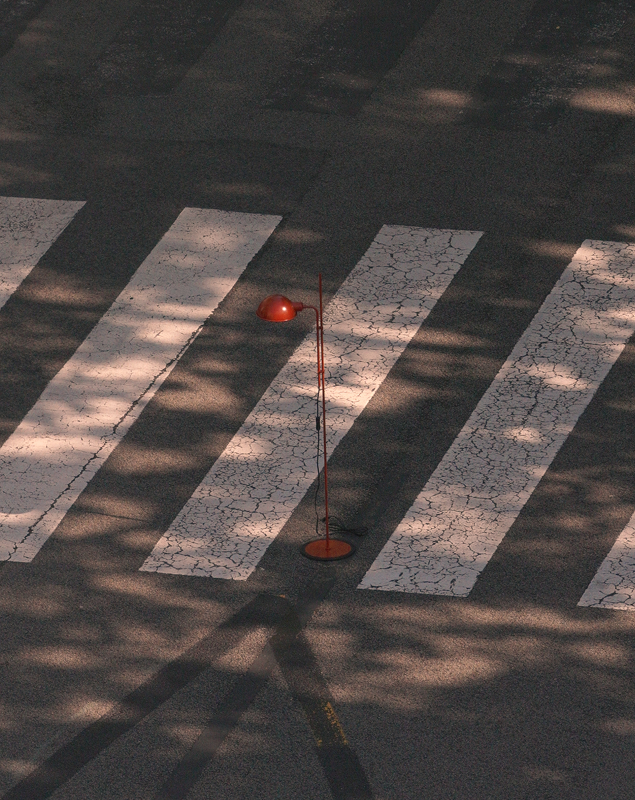
Moving image is a cornerstone of your practice. What do you find in rhythm, sequence or transformation that you don’t find in the static image?
TMWhenever I get a brief, I always try to give the object a personality, thinking “how would it speak? What would it tell me? How would it move?” I usually find the answer through movement: hanging a shoe from a door with fishing line and making it move with a hairdryer, with a green yoga mat in the background as a makeshift green screen... Process is part of my work too. I view creation and conceptualisation as intrinsic elements of the final piece, rather than simply a means to achieve an aesthetic image. Video allows me to create the project, but also to document the act of making it.
Content creation has become another territory of your own, working with brands such as Camper and Alohas. How did you find your way into this language, and what does it allow you to explore beyond traditional graphic design?
TMI started creating content during my first university internship at Sivasdescalzo. At first, I was making static content for Instagram and the website, but Reels arrived around the same time and we began producing videos too, both digital and analogue, in the office, on the terrace, out on the street or in the shop. Through video, I also discovered a world I felt very comfortable in: shoes. I think of them as objects with a huge amount of personality, capable of saying a lot about the wearer. Clients such as Camper have given me the opportunity to take an everyday object, understand its processes and life cycle — from conception to recycling — and reinterpret it through my own digital language.
Funiculí was designed by Lluís Porqueras in 1979 and, more than four decades later, still feels remarkably current. What did you see in it when you first started thinking about how to bring it into your own vocabulary?
TMAt first, I saw a slight resemblance to a musical instrument, something like a trombone. Later, as I learnt more about Lluís Porqueras’ vision and the collection’s history, I realised the lamp already had an established character and social context. That gave me more freedom to create. I didn’t need to reinvent or rewrite anything; I simply wanted to learn and enjoy the process.
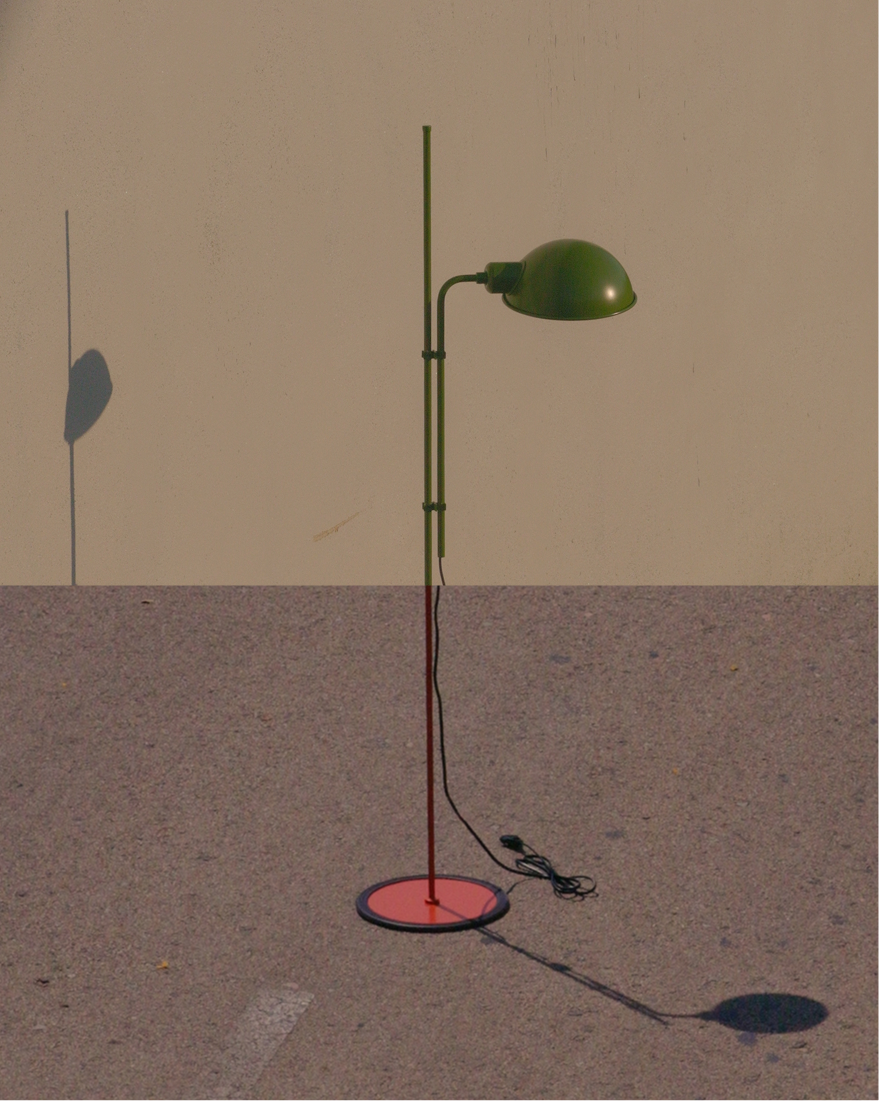
Movement is an essential part of Funiculí: it can move up and down, rotate and direct the light. How did this almost kinetic quality influence your collaboration with Marset?
TMI decided that its mobility would be one of the directions I wanted to explore in the videos: understanding its design and possibilities, giving it a voice of its own and highlighting its flexibility.
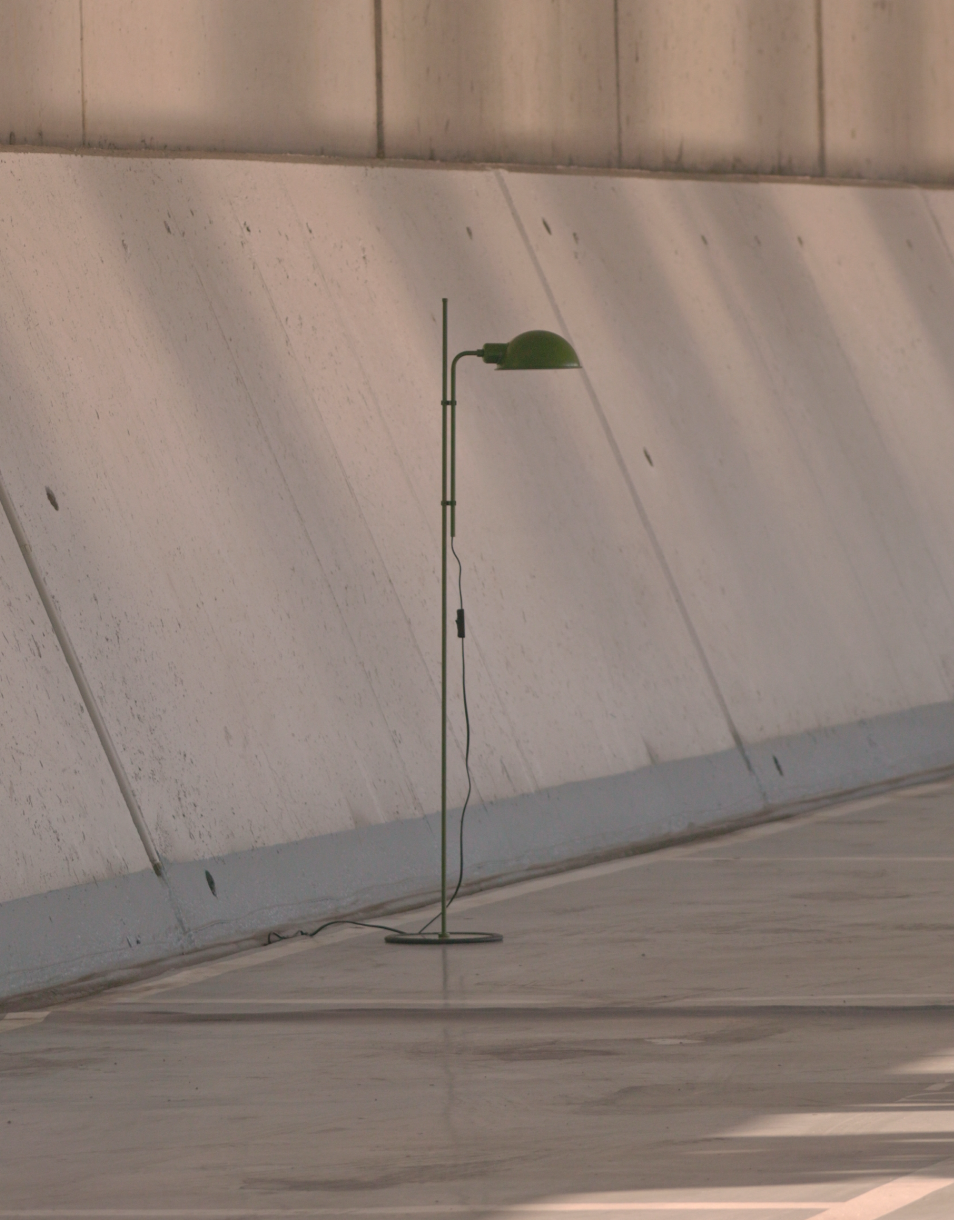
In one of the pieces, you literally take Funiculí out onto the streets of central Barcelona. What interested you about taking it out of context? What happens when an everyday object appears somewhere it isn’t supposed to be?
TMShoes and fashion have always been my comfort zone, as they allow me to create in almost any setting, indoors or out. With Funiculí, I initially came up against the limitations of context: you would normally expect to find it on a desk, next to a sofa… When you take an object out of its usual setting, you create an idea that goes against what people already associate with it. That sense of something being out of place draws your attention and allows you to see the object not as something static, but as something that can change, open to different interpretations of domesticity depending on who lives with it.
In another piece, you turn Funiculí into something almost resembling a musical instrument, creating a short composition where movement and sound come together with a sense of humour. What interested you about animating the lamp in this more playful way?
TMLluís Porqueras tells the story of how the name Funiculí comes from Funiculí, Funiculà, a song by Luigi Denza which commemorates the opening of the first funicular railway on Mount Vesuvius. Joan Gaspar — his disciple, as well as a designer and Marset’s product director — then admits that he had always assumed the name came from Barcelona’s Tibidabo funicular. Porqueras explains that the lamp’s up-and-down motion is, in fact, called a “funicular movement”. From there, I wanted to create something that brought together the lamp’s possibilities for movement and its musical character.