(888) 402-1718

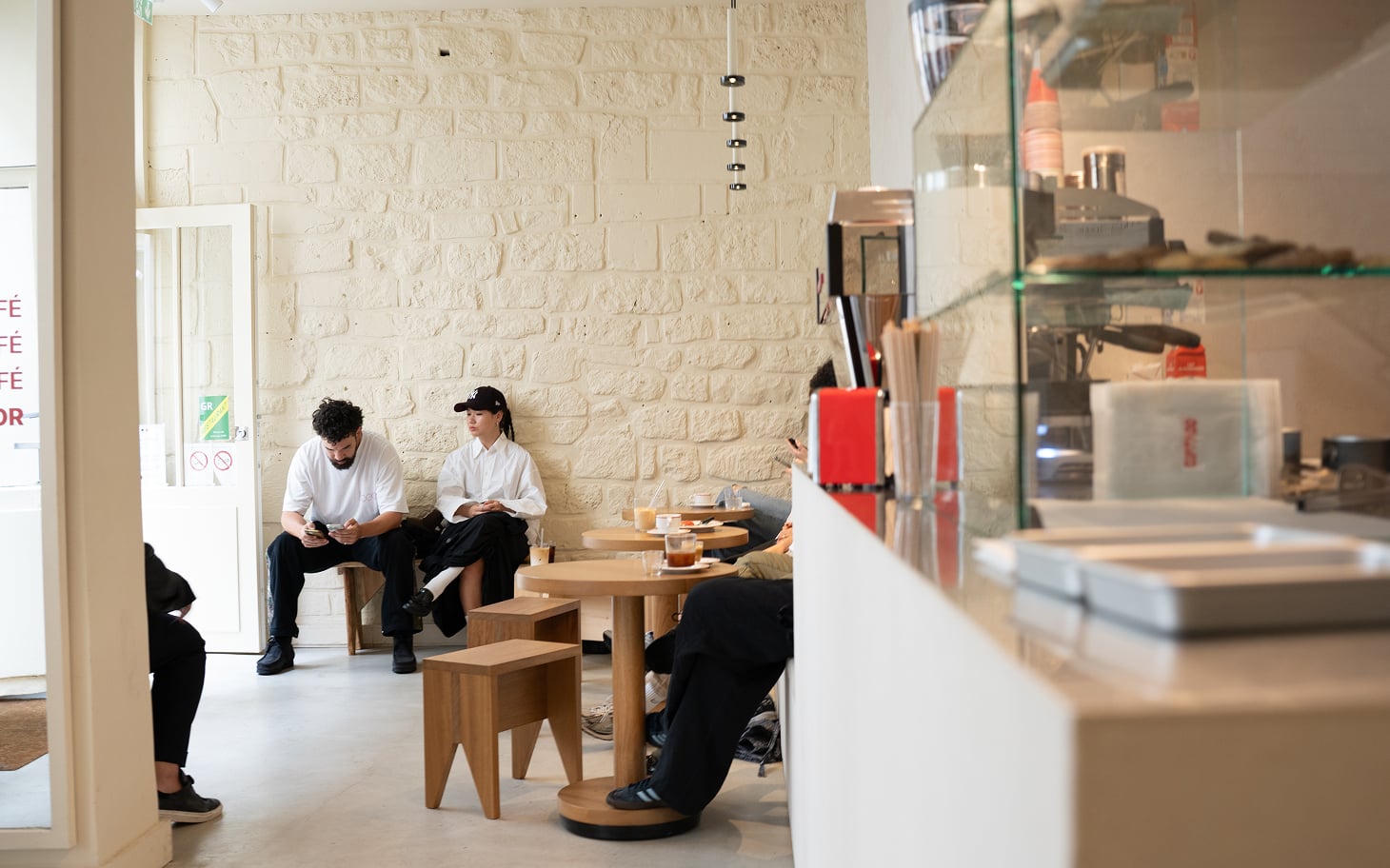
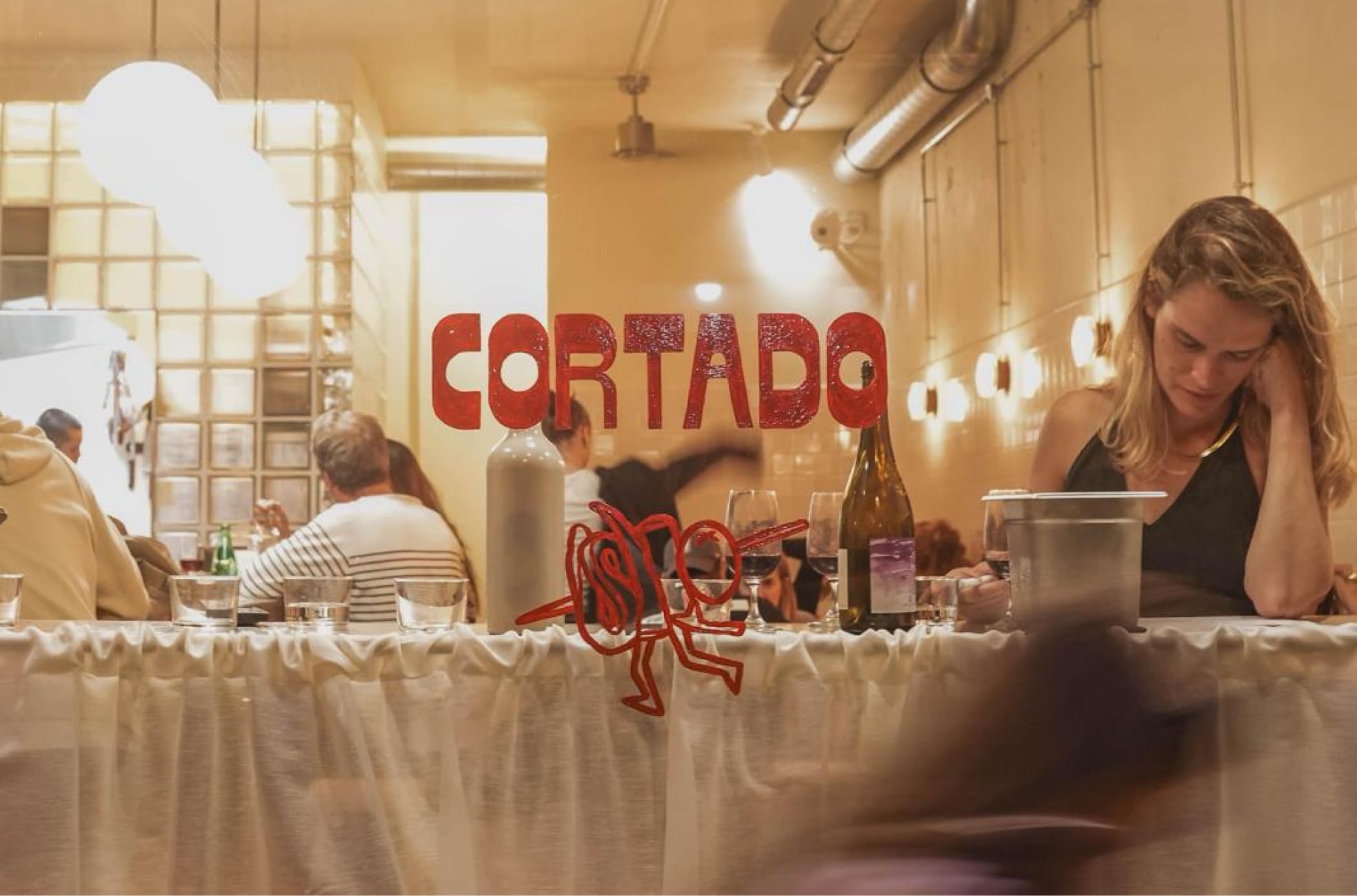
In the heart of Le Marais, among speciality cafés, galleries and boutiques, Cortado has become one of the most acclaimed meeting points of the new Parisian creative scene. What began as an idea to bring savoury breakfasts and Spanish-style tapeo to the city — through a contemporary, caché-free lens — has gradually evolved into an imaginario of its own.
With a warm, Mediterranean atmosphere, Cortado works as a café, cantina and communal space alike. A place where light, music, objects and the rhythm of the day coexist naturally, drawing in creative profiles from all over the world.
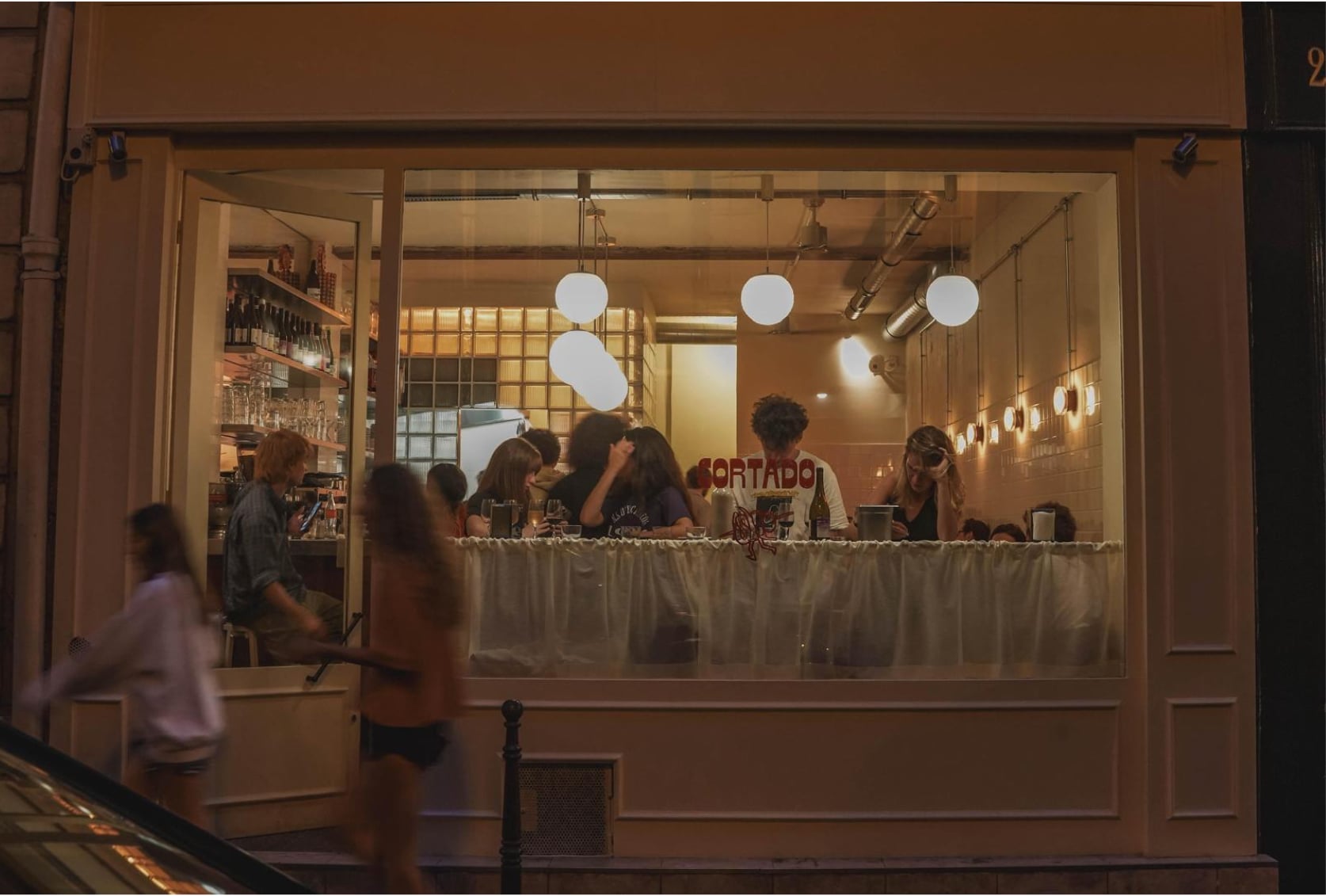
We sat down with Adrián and Tom Aymerich and Helena Martín to talk about identity, community and how to turn a café into a way of being.
Cortado was born with a clear purpose: to bring savoury breakfasts and tapas to Paris. At what point did you realise you weren't just opening a café, but building an imaginary?
CC:From the very beginning there was an intuition, but it wasn't strategic. We wanted to bring something we missed in Paris, but through our own lens. Over time we understood that Cortado wasn't just a café — it was a way of living: an atmosphere, an energy, a way of being. People weren't coming just to eat or have coffee; they did to feel part of something.
The idea of a “new Spanish scene” often appears in your discourse. What defines that scene for you, and what are you interested in showing without falling into cliché? What do you consciously include and leave out?
CC:For us, this new scene is much freer and more diverse. It isn’t tied to folklore or to a traditional image of Spain, but to something more creative and open to the world. We’re drawn to the everyday, to honesty, to things that are well made without artifice, leaving aside anything that feels forced.
Why Le Marais?
CC:It has a very special energy. It’s a lively, creative neighbourhood, with a constant mix of local and international people. There’s an openness to new ideas and an aesthetic sensitivity that felt very aligned with us.
Cortado has become a meeting point for international creative profiles, from Rosalía to content creators. How do you build a space where such a diverse community can feel, quite literally, at peace?
CC:We knew from the start that we didn’t want to create an “Instagrammable” place with an expiry date. Every element comes from things we genuinely like and feel comfortable with. The moment you walk through Cortado’s doors, you experience something very organic: the music, the atmosphere, the food, the team and the customers themselves create something that can’t be forced. People feel at home, and I think that’s what makes them want to come back.
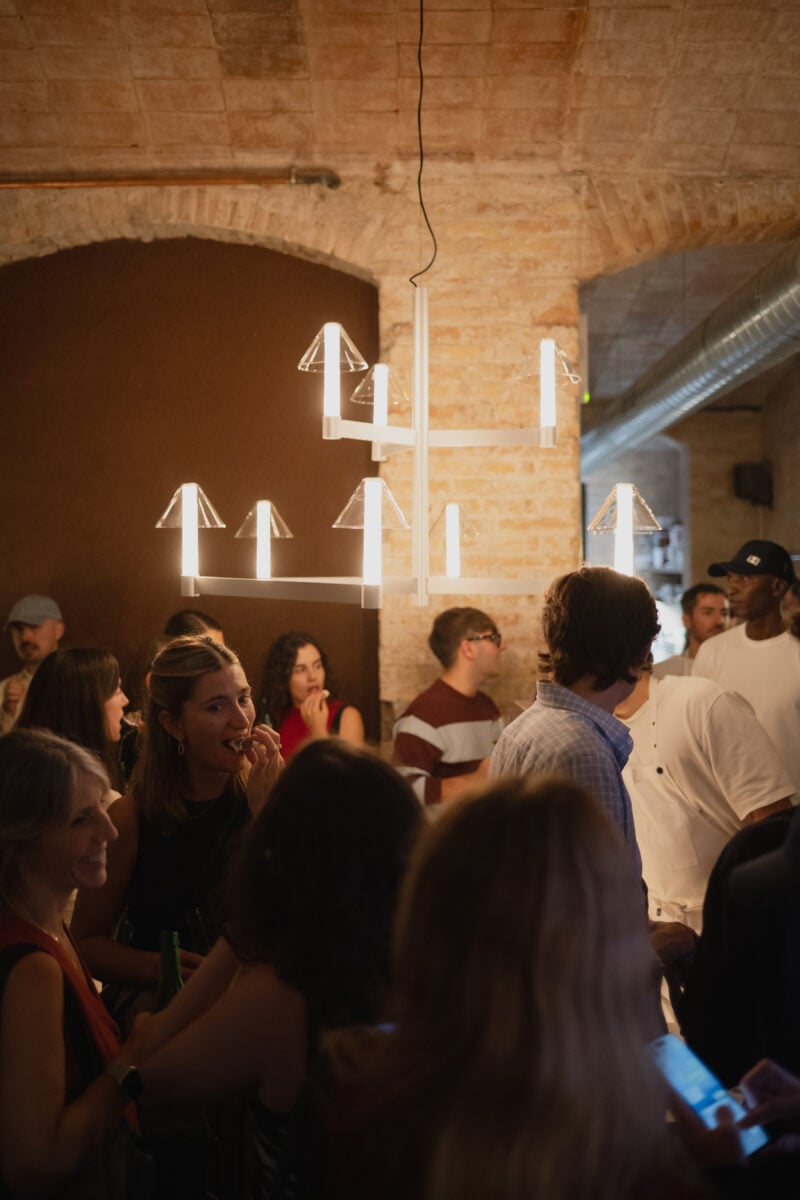
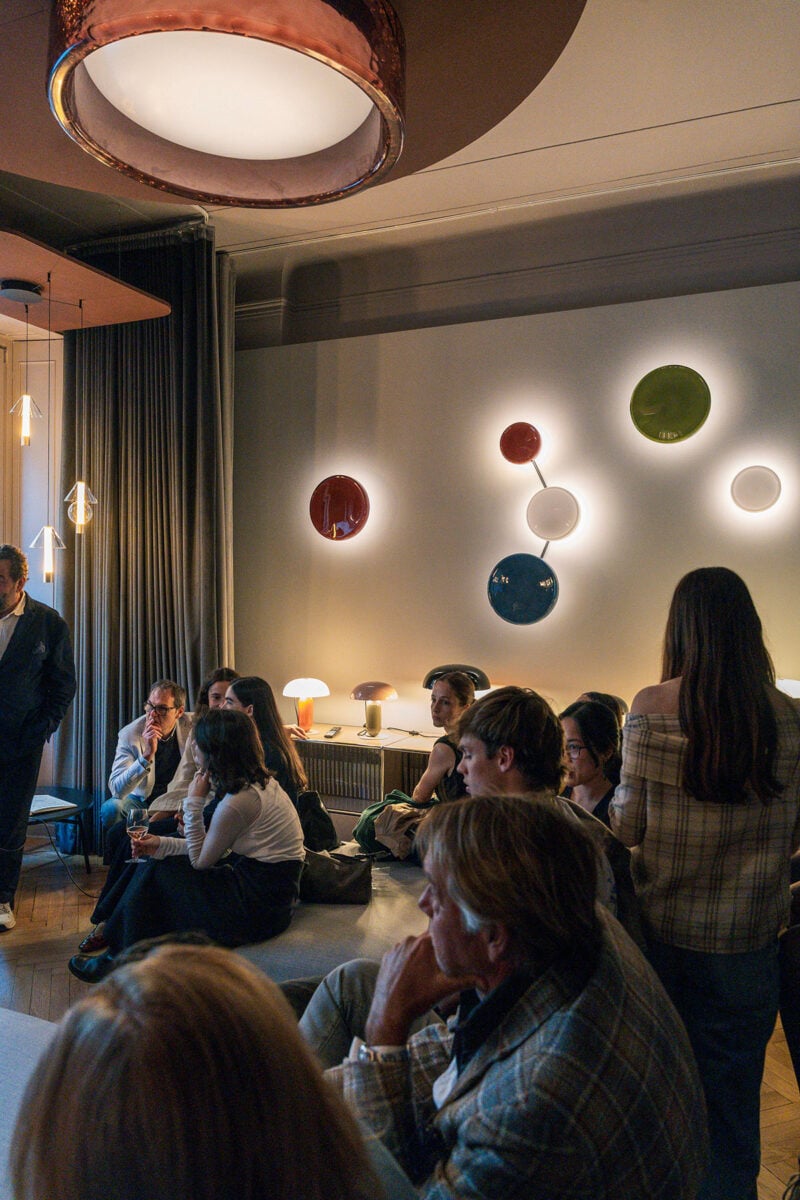
The furniture was designed by Marc Morro and the lighting comes from Marset, with designs by Joan Gaspar and Jaume Ramírez. Three Catalan names behind a Spanish café in Paris. Was that a conscious decision or a meaningful coincidence? What kind of atmosphere were you trying to create in this small Mediterranean oasis within the pace of Paris?
CC:It was completely intentional. These are designers and brands we had followed long before opening Cortado, and the project became an opportunity to work with them. We wanted a warm, Mediterranean atmosphere without falling into the obvious. A place where light, materials and objects could dialogue naturally, creating a sense of calm within the rhythm of Paris.
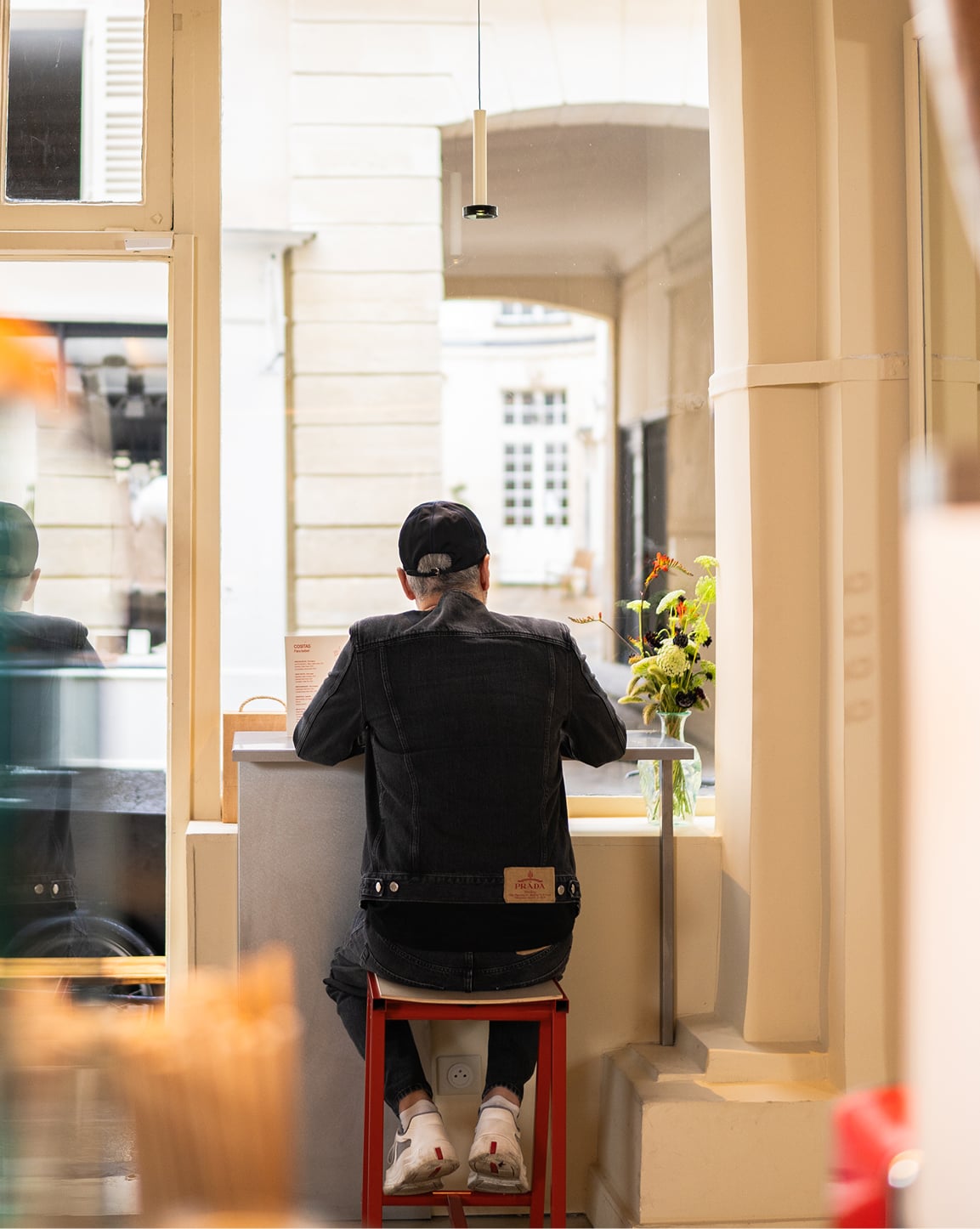
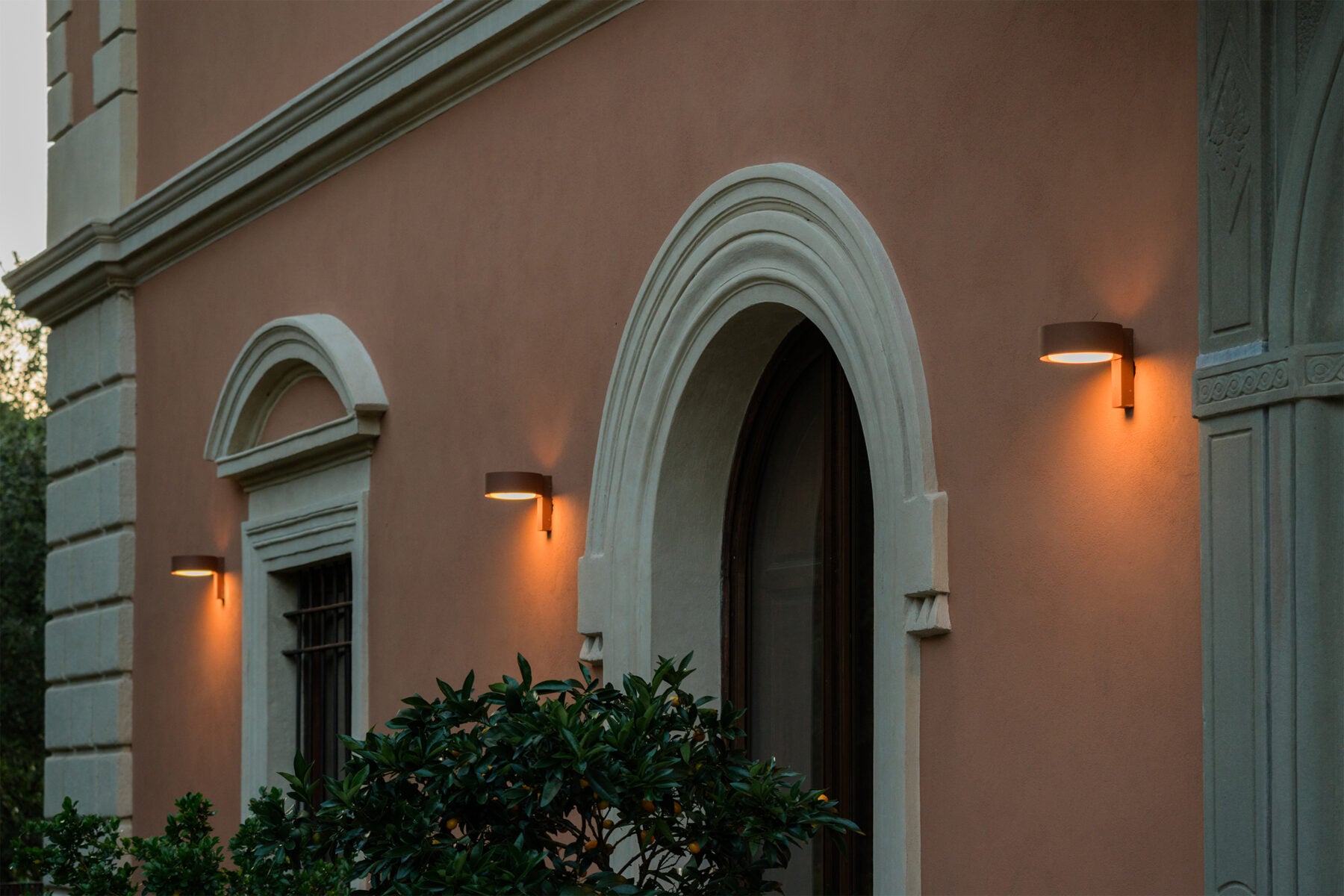
Light at Cortado is never the protagonist, yet it defines everything. How was it conceived, and how does it dialogue with the gastronomic concept?
CC:Exactly. The lighting wasn’t designed to stand out, but to accompany. It’s a soft, carefully considered light that wraps around the space without imposing itself. It helps create that feeling of comfort and coherence with everything else: the food, the materials, the rhythm of the place.
The rhythm of the space shifts from daytime café to informal dinner setting. How does lighting help modulate that transition?
CC:The lighting follows the rhythm of the space very naturally, almost without being noticed. In the morning it feels more open and functional. As the day goes on, it becomes warmer and more enveloping, adapting to afterwork moments and that shift towards something more relaxed and intimate. That’s exactly what we are after: a transition that feels fluid, almost intuitive. Much like Cortado’s own rhythm.
With the opening of the new Cantina Cortado on the same street, the project continues to grow. How do you translate the DNA of the original café into a restaurant format without losing its essence?
CC:The key has been preserving the essence without falling into repetition. Cantina is a natural evolution: more focused on food, but with the same sensitivity and the same way of understanding space and experience. The DNA isn’t in the format, but in the details — in the atmosphere, the energy, the way we welcome people. It’s not about copying, but allowing the concept to evolve organically.
The project keeps expanding, with collaborations such as Zara. How are you experiencing this sudden acceleration?
CC:With a lot of excitement. Seeing the brand and its entire creative universe resonate with so many people is very special. We try to experience it naturally, without losing sight of who we’ve been from the beginning.
If Cortado weren’t a café, what would it be?
CC: An enfant terrible. A big kid that doesn’t ask for permission, that mixes codes and never takes itself too seriously, while still doing things really well. Or a daytime party that keeps going without a plan. In the end, Cortado isn’t a format — it’s a personality. Slightly irreverent, quite free, and always moving forward.