(888) 402-1718

Light Stories
Gambosa x Emma&Marion
Gambosa
Emma de Gramont and Marion Detournay are a Paris-based creative duo working at the intersection of art direction and collage. Together, they build worlds from fragments, layering images, textures and colour with an instinctive hand that is equal parts graphic rigour and joyful disorder.
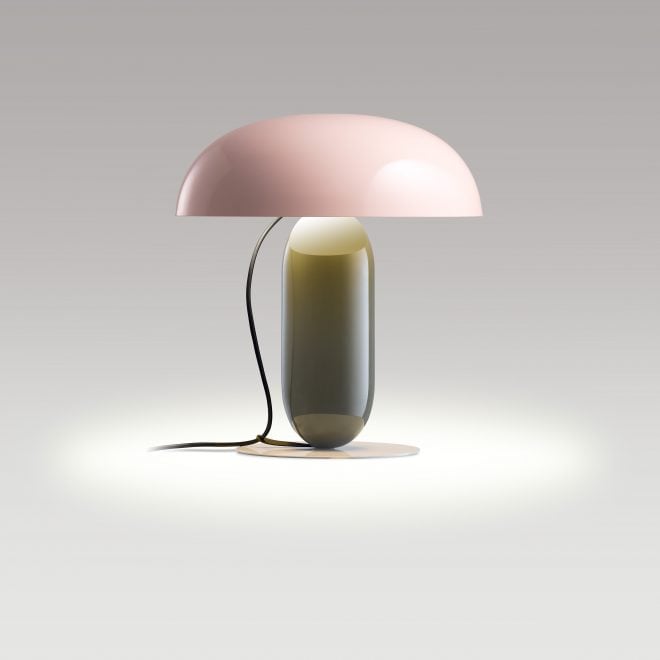
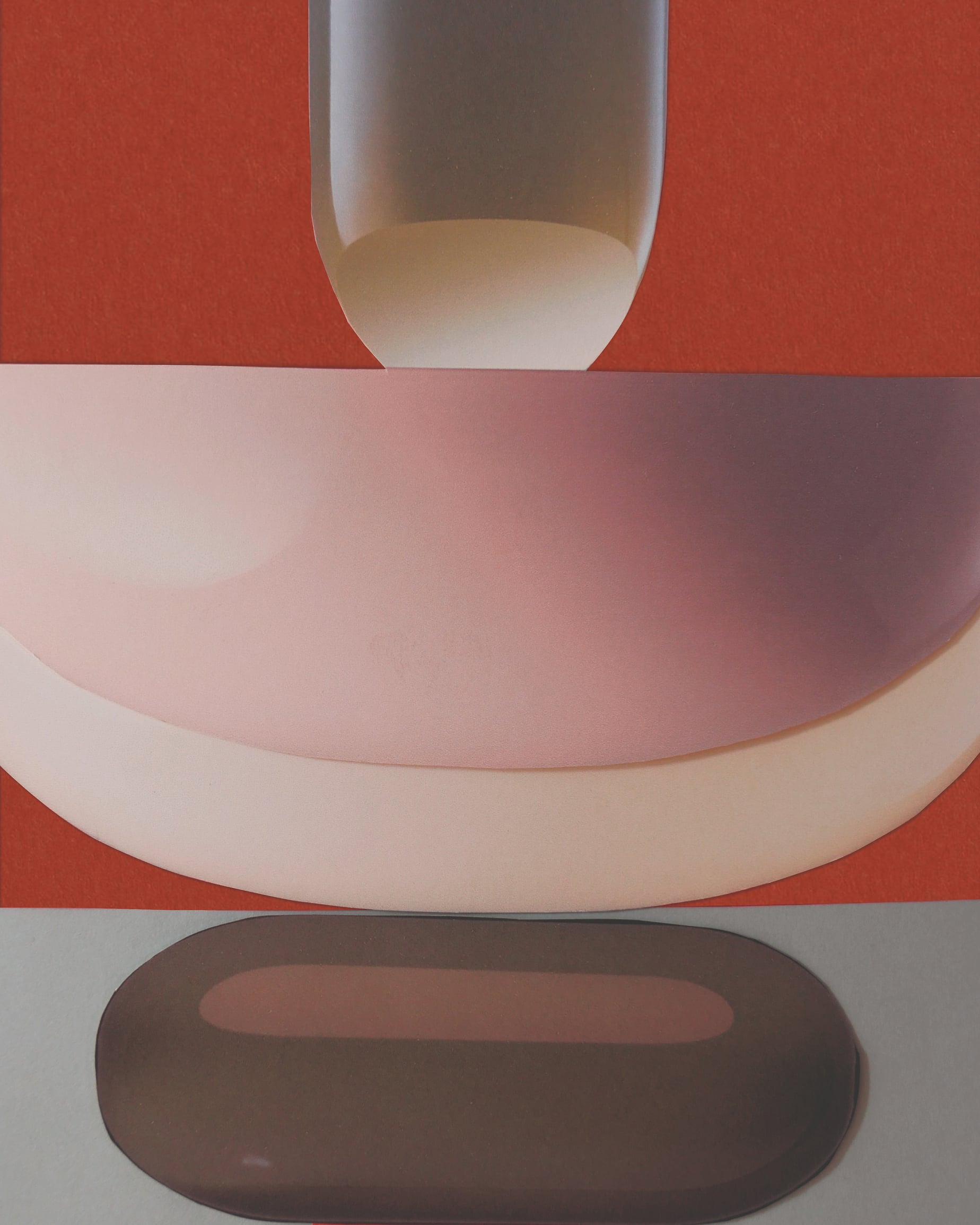
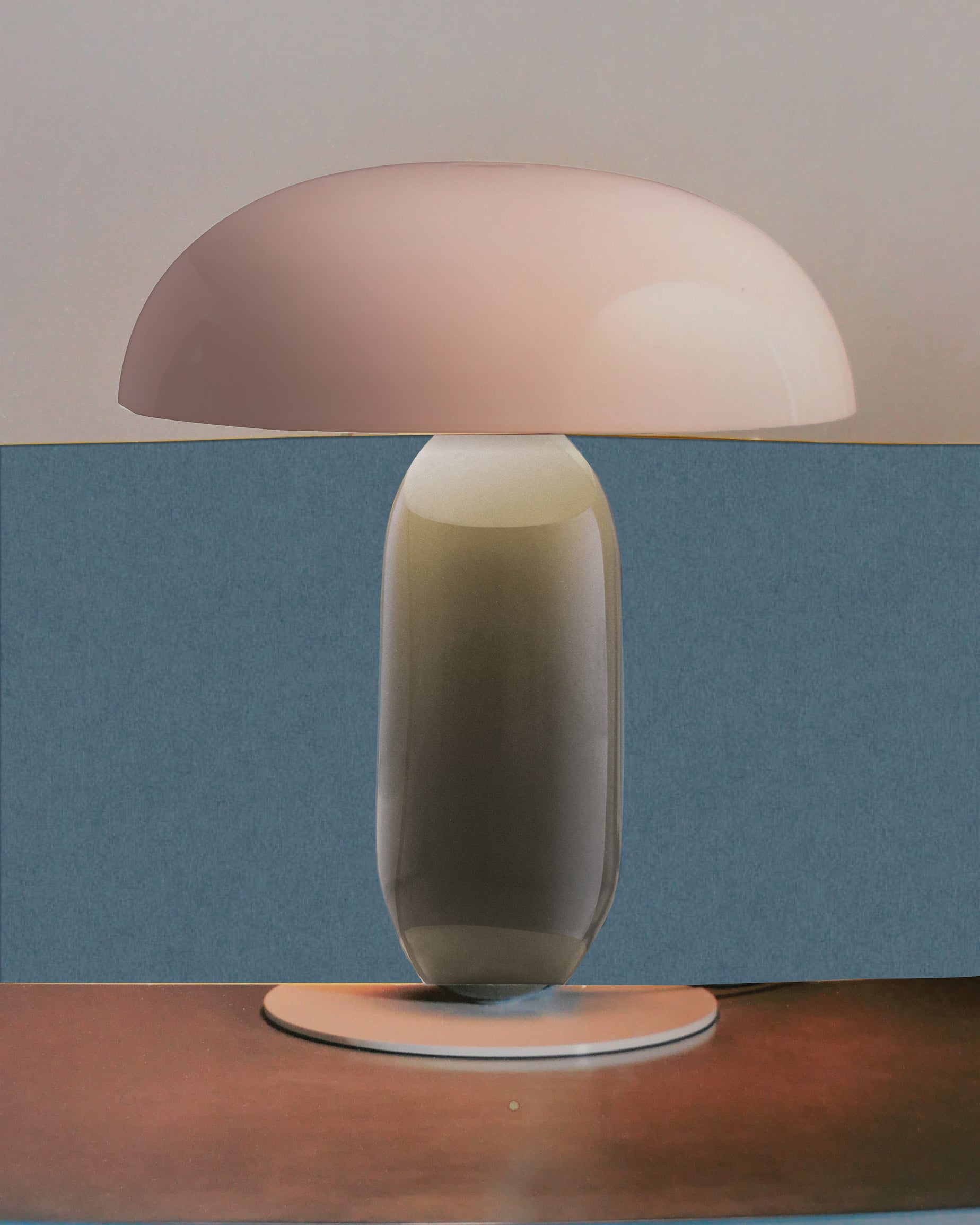
In this chapter of Light Stories, they turn their attention to Gambosa by Mathias Hahn. Through their signature visual language, the lamp is dismantled, reassembled and transformed into something else entirely. An abstract landscape where form and colour speak louder than the object itself.
For those discovering your work for the first time, how would you describe your world?
EMOur world is colourful, playful and instinctive. We create by hand, which is essential to our practice, with a spontaneous and human approach. We are drawn to things that feel alive, joyful and authentic. Rather than perfection, we seek energy, surprise and sincerity. We love textures, paper, colours, mistakes, unexpected associations… everything that makes an image feel real and sensitive.
How did your collaboration begin, and what made you realise you shared a common visual language?
EMWe have known each other for ten years (already!). But the real turning point came in February 2024 with our first exhibition, “Playground”, dedicated to collage. Creating the show together felt very natural, as we both shared a long-standing fascination with this practice. We both believe in the “intelligence of the hand” and in the value of a tangible world. As we started sharing our work, we realised there was a real creative connection between us that went beyond a shared visual language. We were driven by the same way of thinking and making.
Your practice brings together art direction and collage in a very singular way. How do you work creatively as a duo?
EMOur process is based on exchange and trust. It works a bit like a ping-pong game, where ideas move constantly between the two of us and evolve naturally. We never limit ourselves at the beginning of a project. We like surprise, spontaneity and working with instinct. Creating together often feels like exploring a shared creative playground.
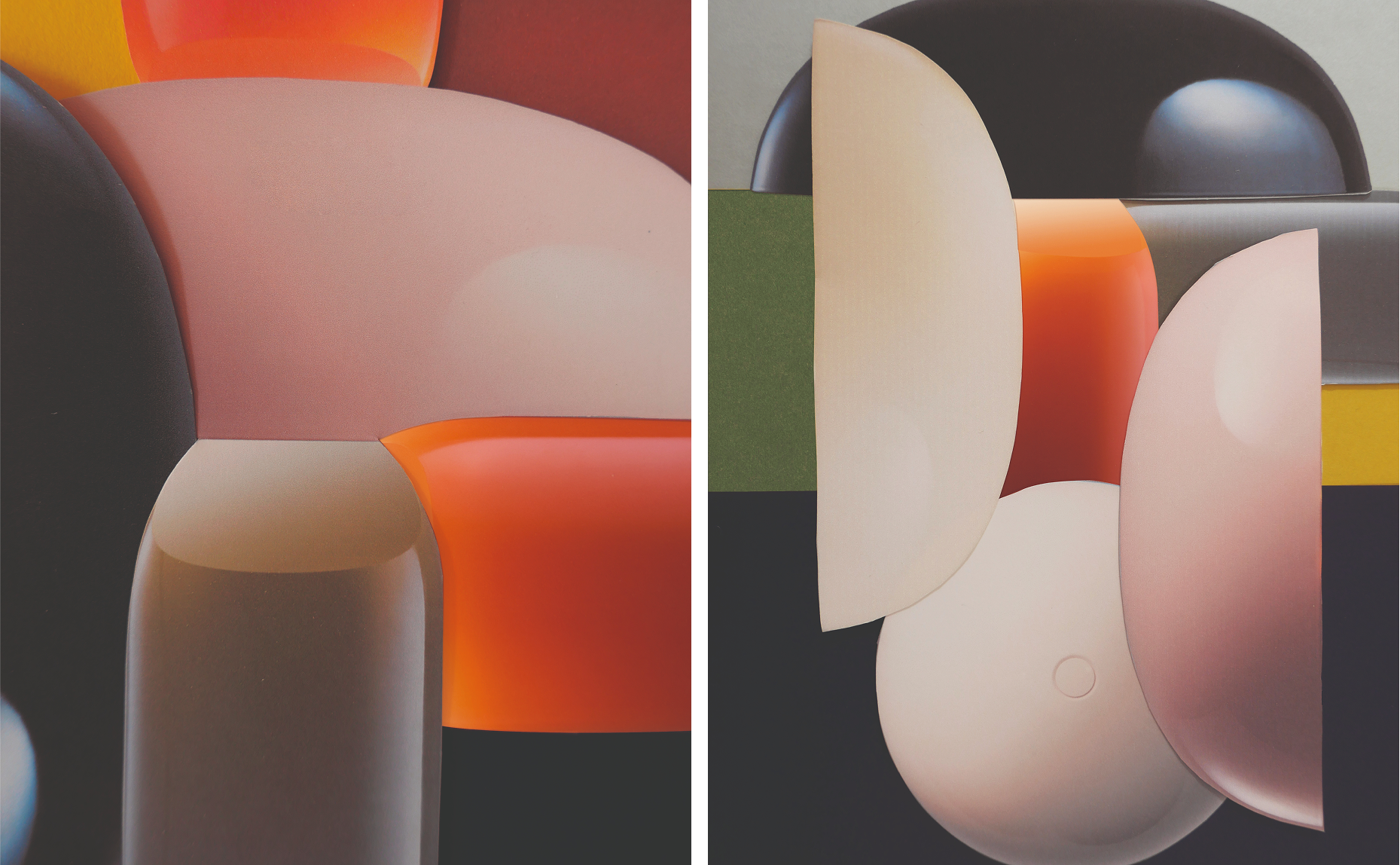
Collage is built on displacement: objects are removed from their original context and given a new life, a new meaning. Where does that impulse come from for you? And what is it about imagery, specifically, that keeps drawing you back?
EMWe see images as a palette of shapes, colours and textures. We love transforming them to create new emotions and unexpected meanings. What attracts us to collage is the freedom it gives us to look at familiar things differently and reveal details we might not notice at first.
Your work has a very strong internal coherence, each piece feeling like it belongs to a world with its own rules. How do you go about building those universes?
EMEverything comes from instinct and emotion. We don’t really create through rules. The rational comes after the emotional. If something moves us, then it works.
Light plays a subtle but essential role in the atmospheres you create. Beyond illumination itself, what does light represent to you creatively or emotionally?
EMLight reveals shadow and brings contrast, creating lines and shapes that help us build our compositions. It allows us to perceive that something is alive, giving images volume and presence.
Colour is unmistakably central to your language: saturated, confident, never accidental. How do you make colour decisions? Do you find that colour carries meaning for you beyond the purely visual?
EMRed often finds its way into our work; it carries a particular intensity and immediately draws the eye. We don’t approach colour through symbolism or fixed meanings. Instead, we let ourselves be guided by emotional associations, by how colours interact, resonate with one another and gradually build a feeling rather than an idea.
What was your first impression of Gambosa when you encountered it? What caught your eye first?
EMThere was something about it that felt obvious to us: it is a colourful object with strong graphic qualities. From every angle, its form is striking.
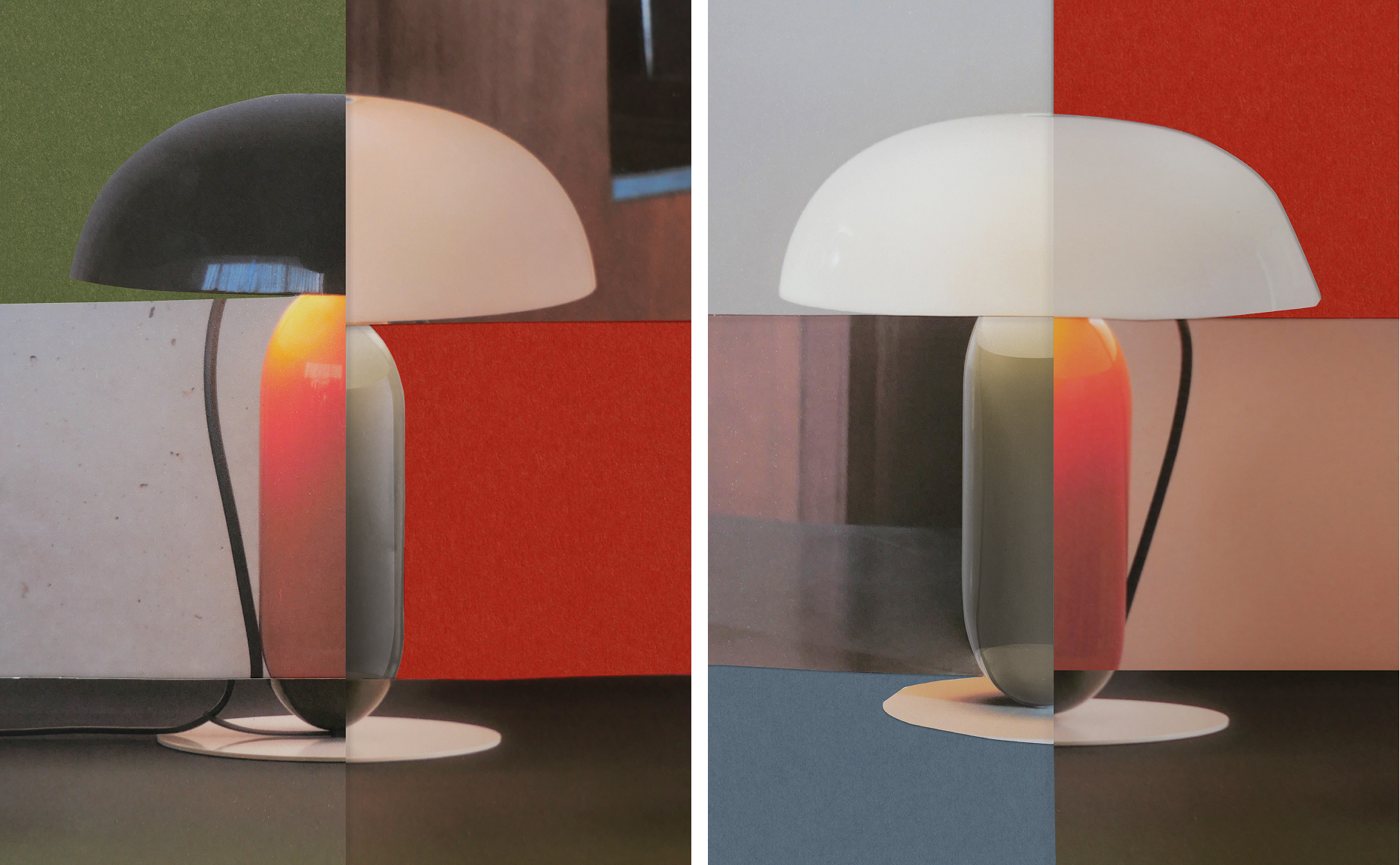
Gambosa has a very graphic and sculptural presence, almost like a composition of simple geometric volumes. Which elements of the lamp inspired the visual direction of your proposal the most?
EMThe base and the lampshade. We perceived a modular quality in these elements, as well as a bold geometric language. This structural simplicity became a key inspiration for our proposal.
In your creative approach to Gambosa, the lamp almost disappears into abstract landscapes of colour, texture and form. What interested you about pushing Gambosa into that more fragmented and interpretative visual territory?
EMWe are interested in blurring the boundary between the real and the unreal. This shift allows us to question the object and reinterpret it. The main subject becomes something else: more abstract, almost pictorial. It also opens up space to focus on elements such as colour, texture and composition, rather than the subject itself.
Last question. What's the one thing, outside of your own work, that never fails to spark something? A place, a book, a film, a ritual — anything at all.
EMMusic, in all its forms. It elevates us, takes us elsewhere and frees the imagination completely. We love bringing this dimension into our projects whenever we can, as it adds depth and rhythm.