(888) 402-1718

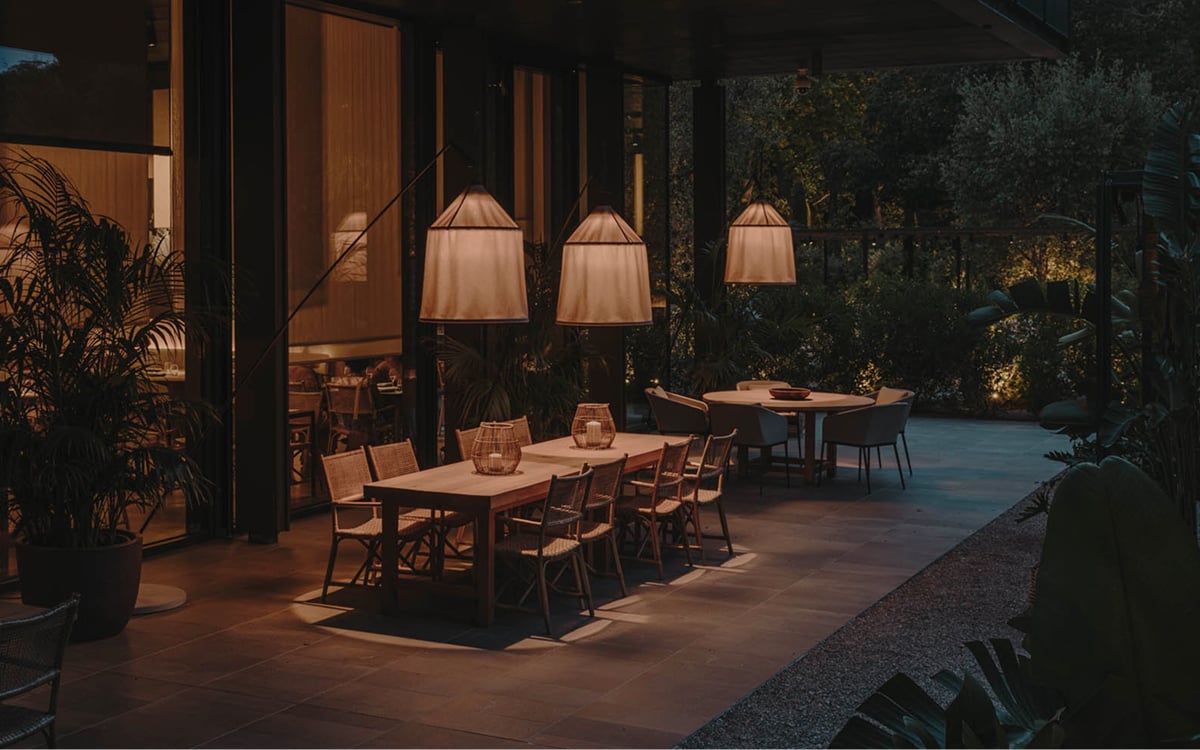
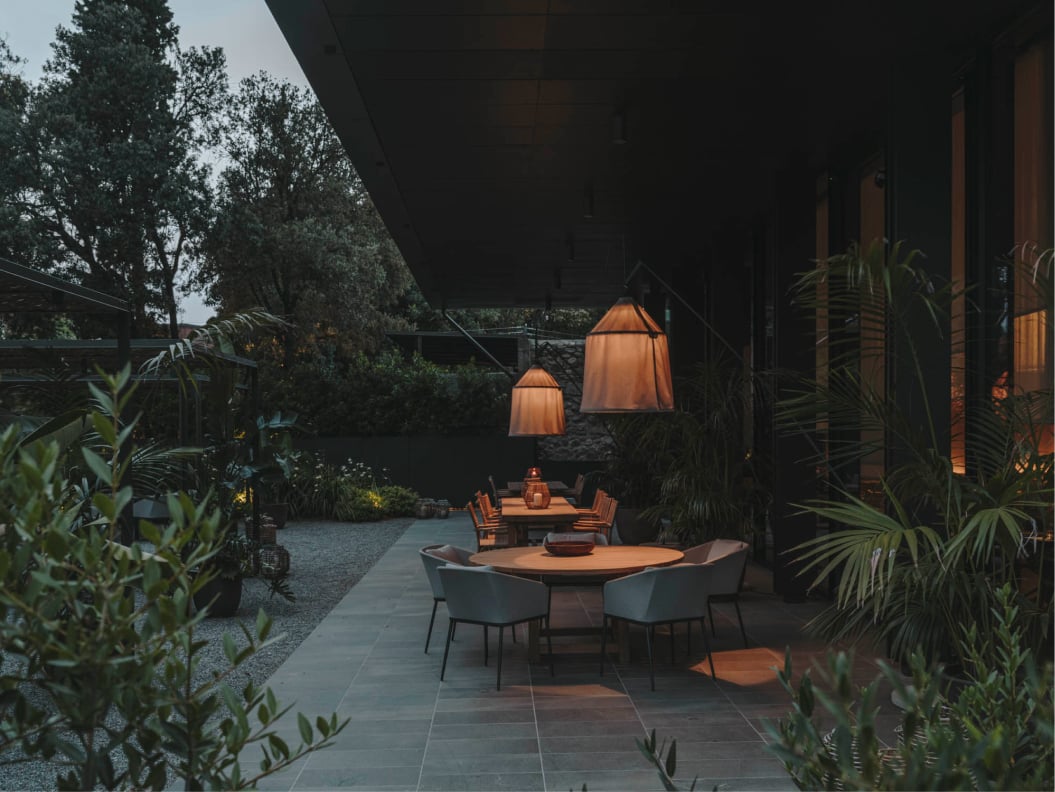
In the heart of Peralada, set among gardens designed to follow the rhythm of the Festival and its cultural imagery, Shiro Restaurant appears as an intervention that suggests rather than imposes. A meeting point between greenery, Paco Pérez’s cuisine and an atmosphere that shifts between the scenographic and the intimate. We speak with Sandra Tarruella about process, light and spatial narrative.
M: When you arrive at a space for the first time, what do you look at first?
S: Proportions and light.
M: How does your process change when designing for a hotel, a restaurant or a private residence?
S: We mainly work on hotels and restaurants, so the approach is quite similar. A hotel always integrates one or more dining spaces, which means projects are connected from the outset.
M: Do you work from an overall concept, or do you prefer to treat each space independently?
S: We work from a general aesthetic to ensure coherence across the project, while addressing each space according to its specific needs.
M: From the Roca brothers to Paco Pérez or Nando Jubany, you have worked with some of the most prestigious chefs. How does this influence the final result?
S: They are very demanding when it comes to the kitchen and timing, but they usually trust us with layout and aesthetics.
M: Shiro is located in a place like Peralada. How do you integrate a space with oriental inspiration without losing authenticity?
S: The project is divided into two spaces: Paco Pérez’s Asian-inspired restaurant and an event hall. Both are set within a garden we designed together with Mónica Martí, with pergolas that create a more intimate and natural scale through vegetation.
M: What kind of experience do you want to create for someone entering Shiro?
S: To transport them to a dreamlike Asian-inspired landscape, connected to both haute cuisine and to the operas of the Festival.
M: If you had to choose a favourite place within the project…
S: Under one of the garden pergolas.
M: How long have you been working with Marset? What makes the brand different?
S: For a very long time. It has distinctive designs that remain relevant over the years.
M: What value do you give to lighting in the design of a space? Do you prefer decorative or architectural lighting?
S: It’s the most important thing. Architectural lighting is always supported by technical lighting.
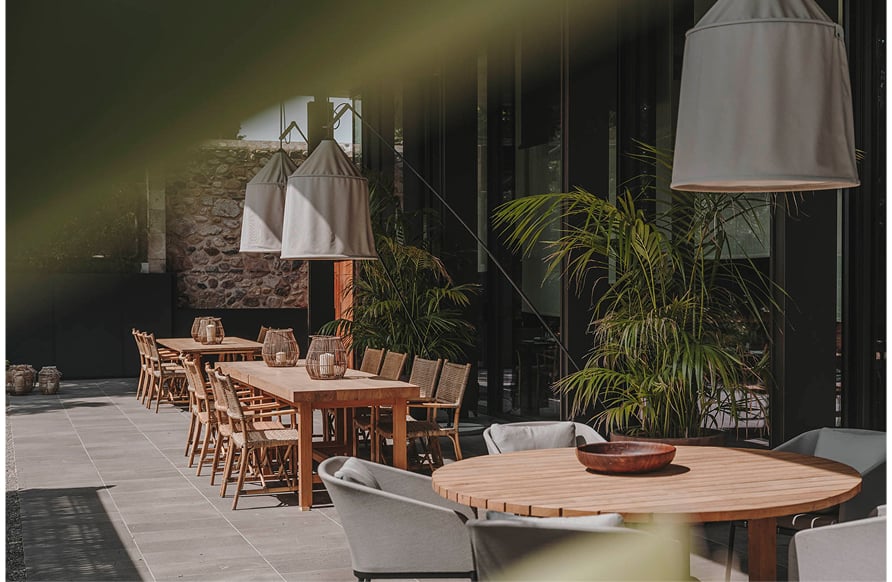
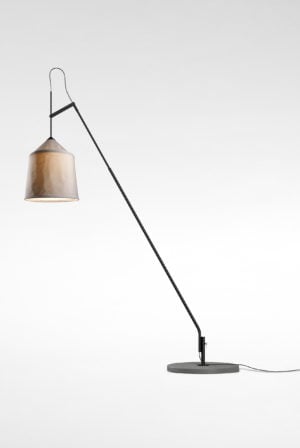
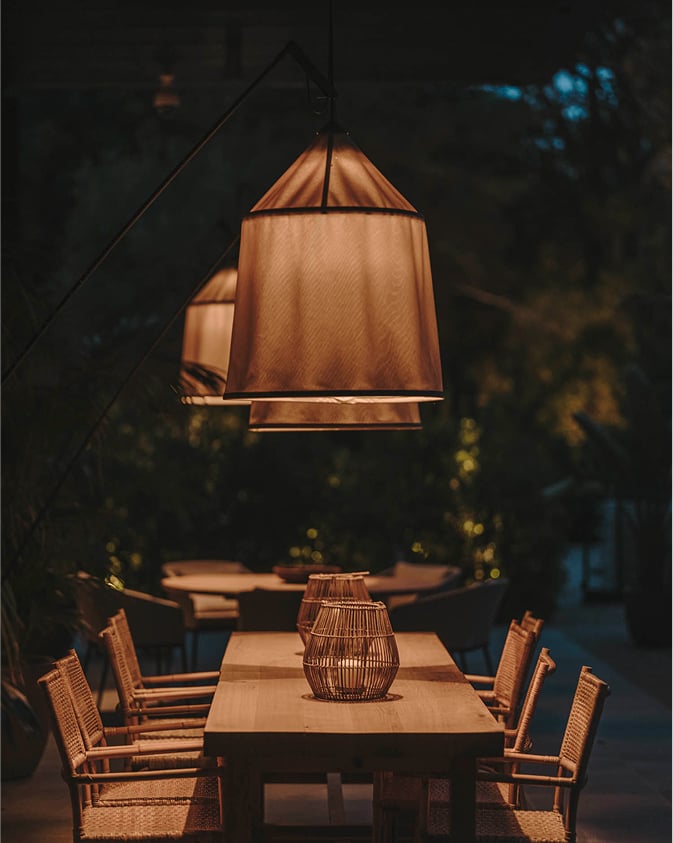
M: Why did you choose Jaima for the exterior of Shiro?
S: It felt like a very appropriate and versatile solution, with the necessary quality for an outdoor setting like this.