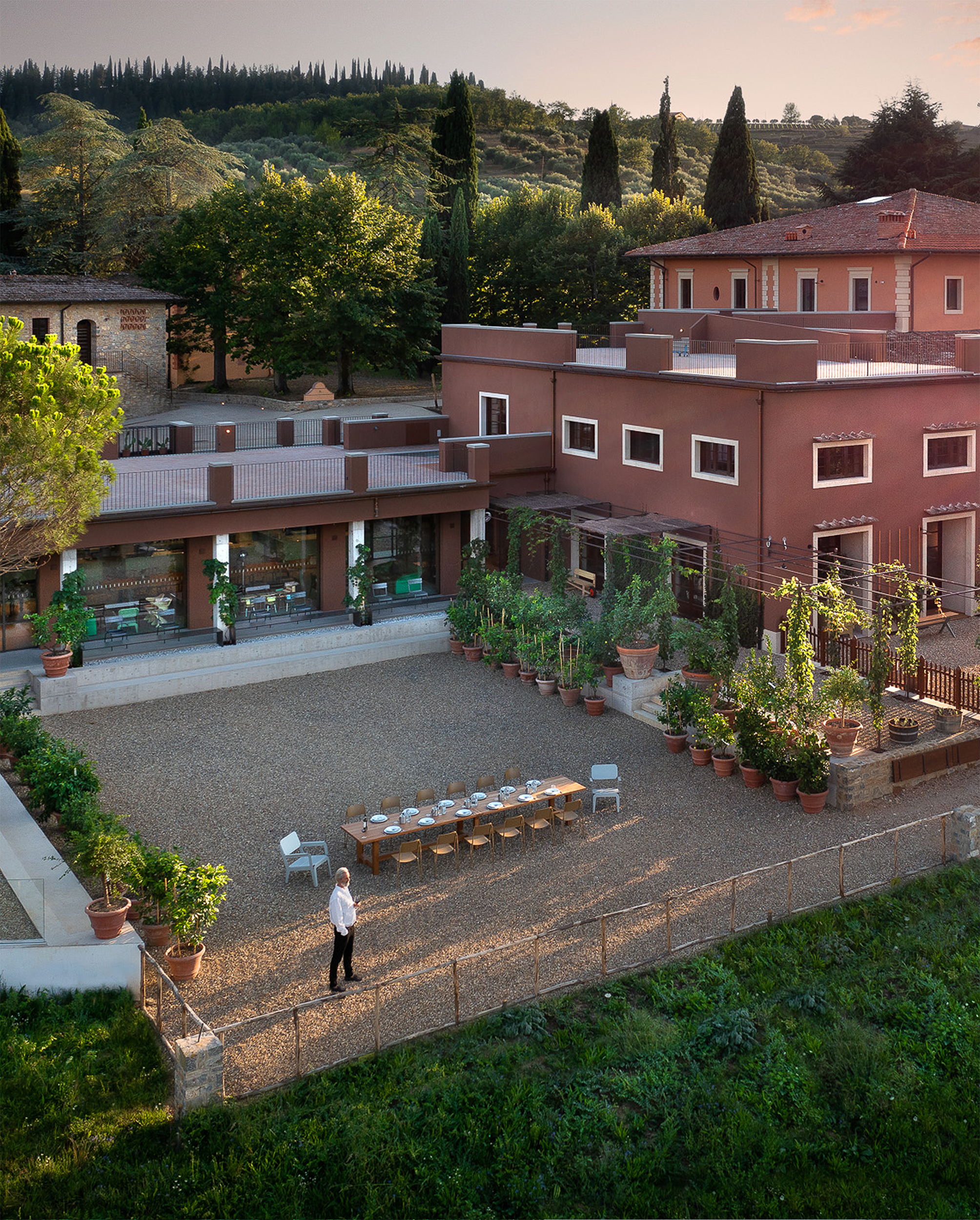
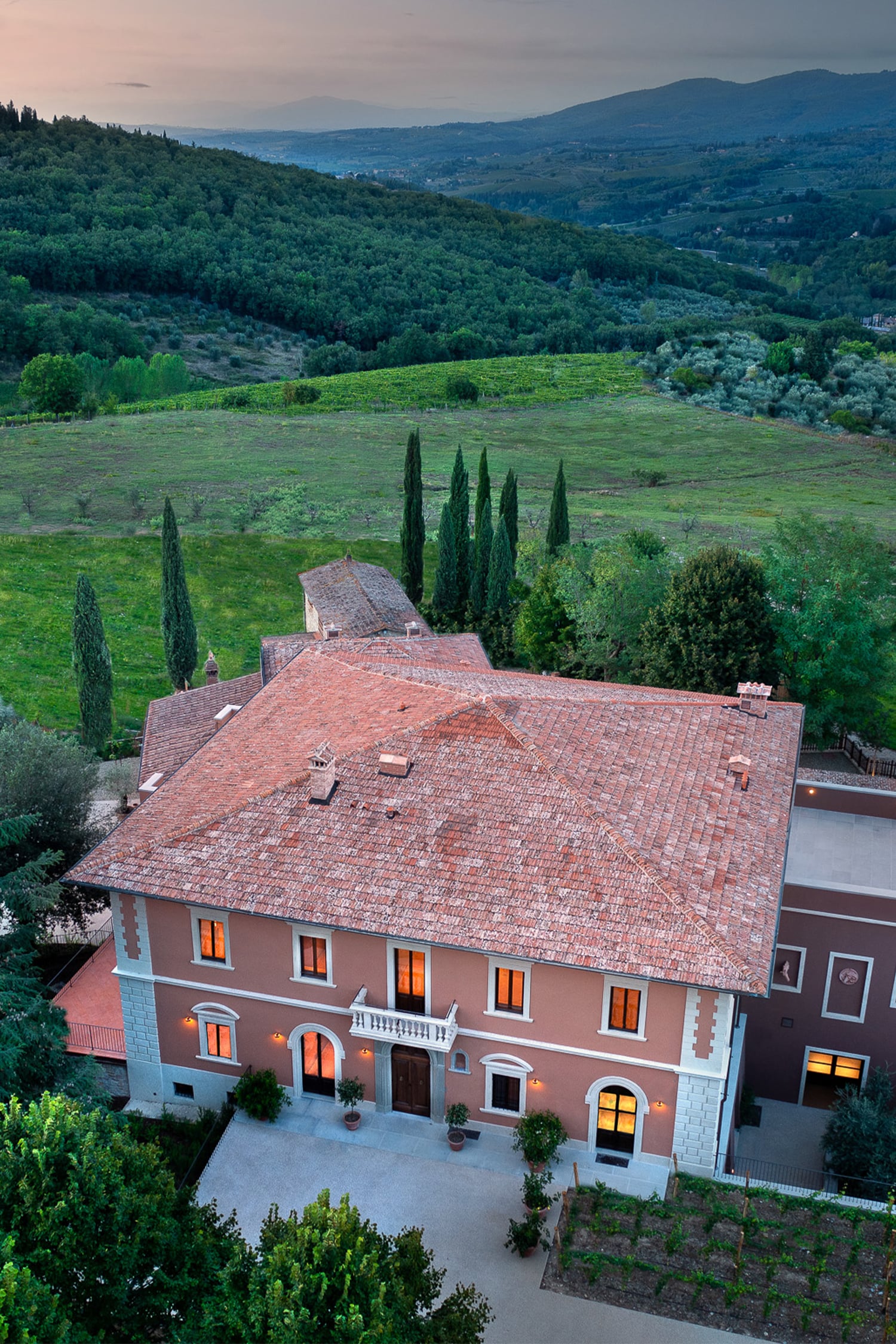
Nestled among the hills of Chianti, Vignamaggio is a historic Tuscan estate where vineyards, gardens and architecture have evolved together over six centuries. At its centre sits La Fattoria, a place where seasonal food, local craftsmanship and everyday rituals come together, opening its doors to visitors through hospitality rather than spectacle.


Conceived as a natural extension of its surroundings, the project unfolds through light, materiality and carefully measured interventions. An approach that redefines restoration not as the preservation of the past, but as a way of shaping how the estate is experienced today.
Marset_Vignamaggio_2
Marset_Vignamaggio_3

We spoke with Emmanuelle Sebillet about restoration, craftsmanship and the role of light in connecting architecture and landscape.
La Fattoria is the result of a five-year restoration, yet it feels less like the recovery of a building than the recovery of a way of inhabiting the landscape. What was the guiding idea behind the project from the very beginning?
ESThe guiding idea was never simply to restore a historic building, but to reveal its identity and make it relevant again for contemporary living. From the very beginning, we approached La Fattoria as a place with a strong memory, where architecture, interiors, and landscape have always been in dialogue. It is the story of a working farm entering a new era.
Throughout the project, there is a clear intention to dissolve the boundaries between indoors and outdoors. How did you translate that idea into the everyday experience of the space?
ESWe wanted the landscape to become part of the interiors. High-tech three-metre-high vertical sliding windows create a seamless connection between inside and outside, while carefully placed mirrors amplify natural light and multiply the 360-degree views across the Chianti hills, the Montagliari plains, and the valley below. From every space, guests remain visually connected to the estate and the agricultural landscape that supplies our restaurant.
Vignamaggio carries more than six centuries of history. How do you intervene in a place with such a strong heritage without turning it into an exercise in nostalgia?
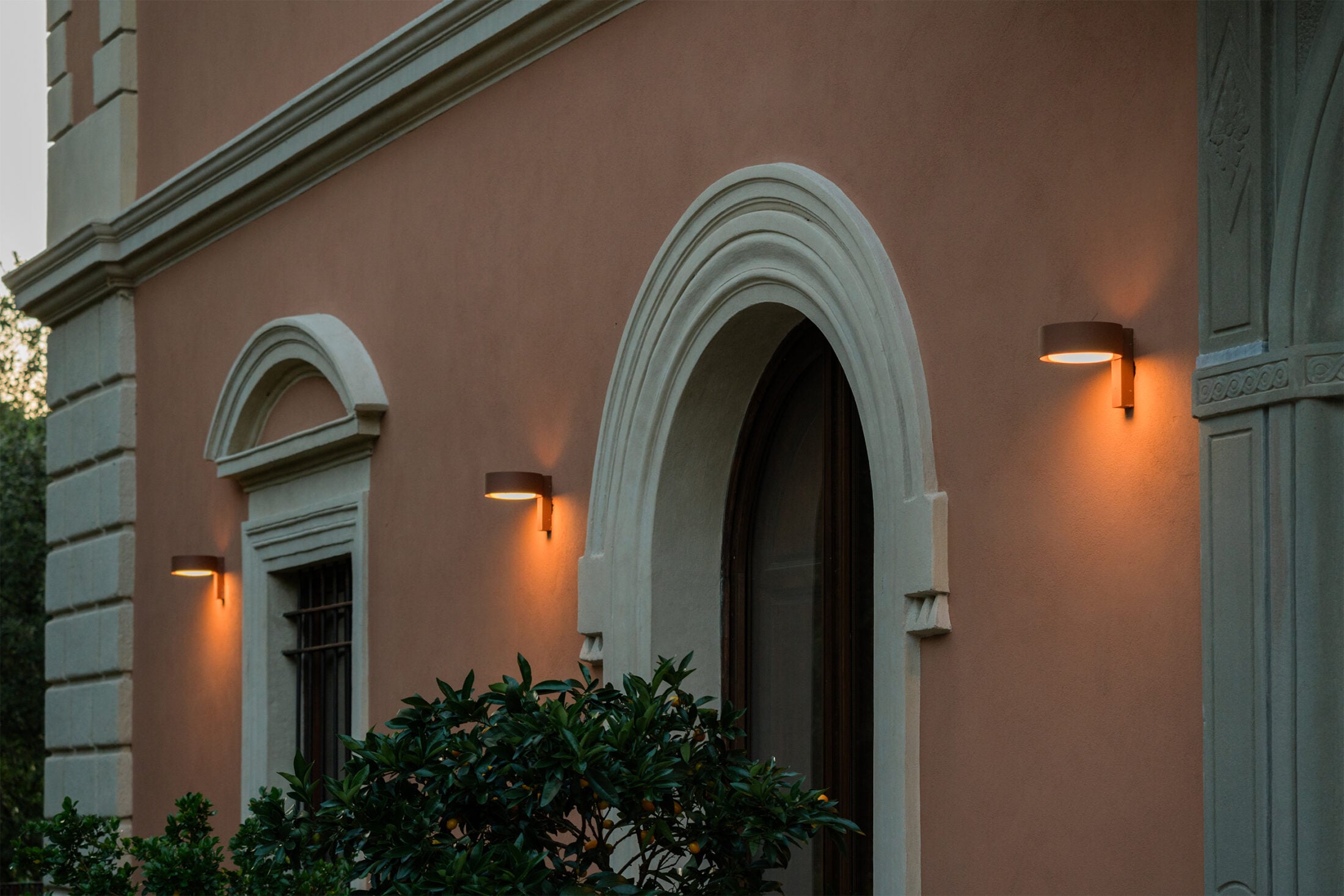
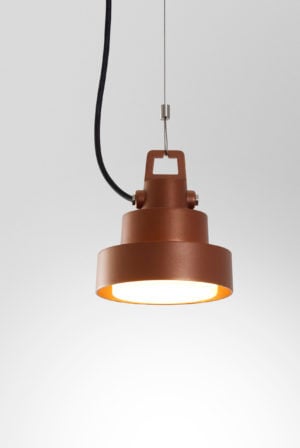
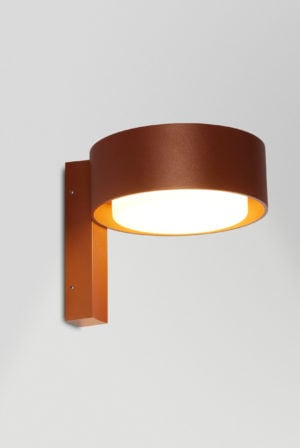
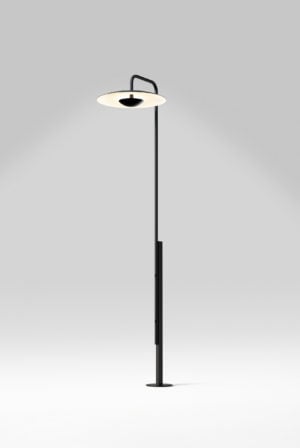
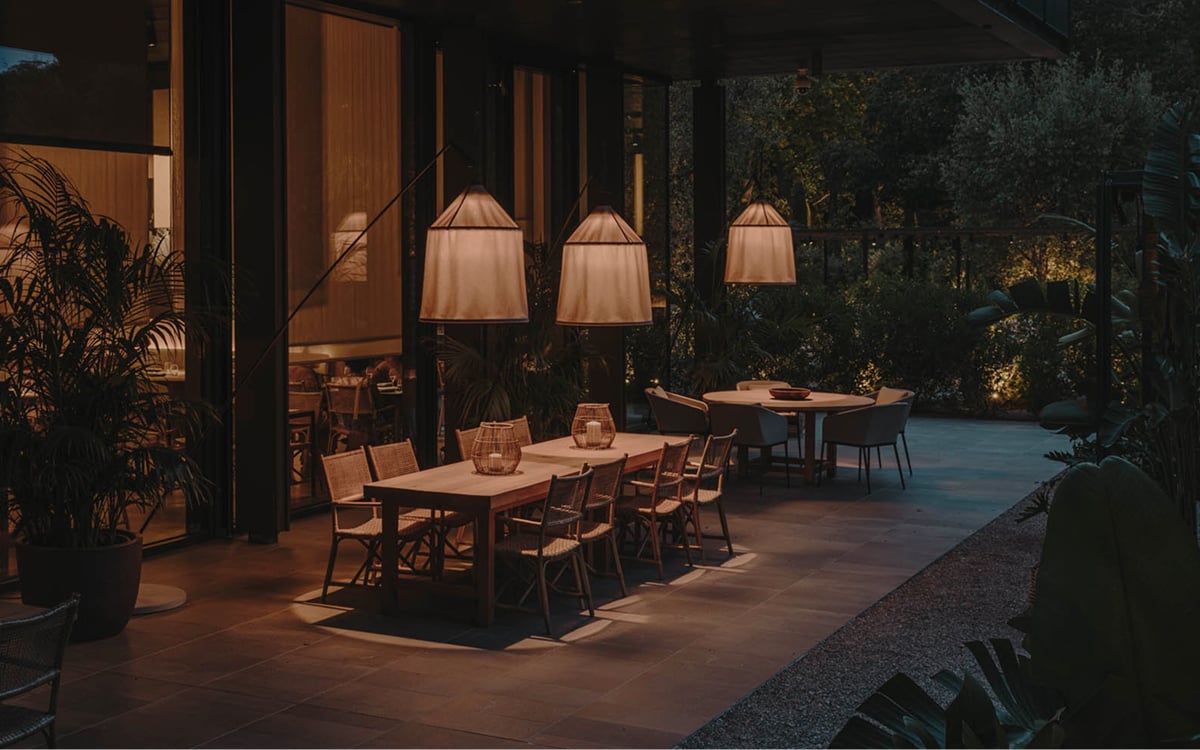
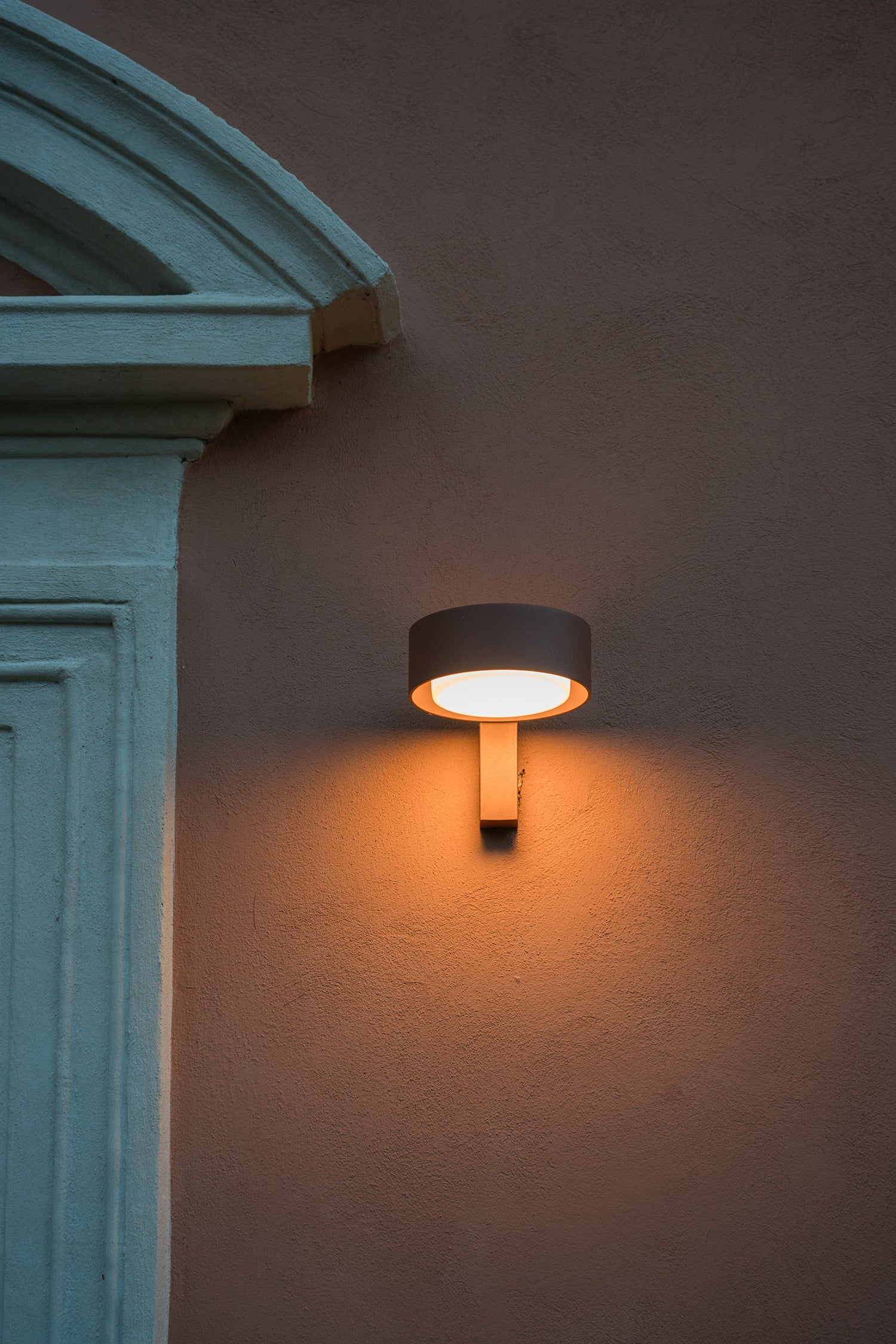
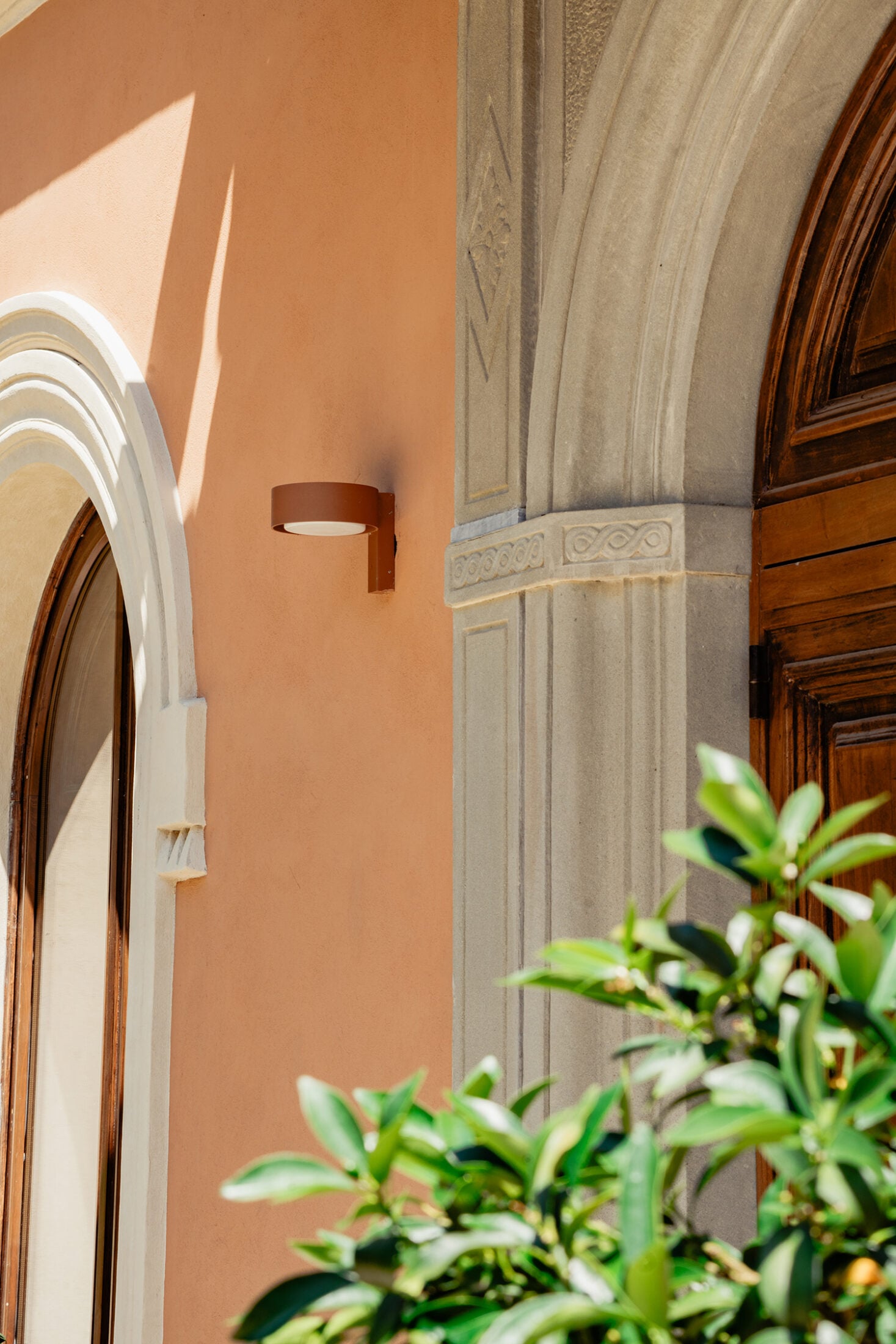
ESOur approach was never to recreate the past, but to reinterpret it. We worked with authentic Tuscan materials—wood, Pietra Serena, terracotta, and iron—and paired them with contemporary design. While most of the furnishings are by Italian brands, Marset was a natural choice for the lighting. Its understated, timeless design brings a contemporary layer to the exteriors, complementing the historic architecture without competing with it.
If Vignamaggio is a landscape, what does La Fattoria add to its story?
ESIf Vignamaggio tells the story of the landscape, La Fattoria is where that story is lived. It connects the estate's agricultural production with the guest experience, creating a place where people can discover, taste, and understand the work behind every product that reaches the table.
Restaurant, wine shop, workshops, tastings and cultural events all coexist within La Fattoria. How do such different functions come together while speaking a shared architectural language?
ESAlthough the functions are different, they all revolve around the same idea: sharing the life of the estate. A consistent palette of natural materials, bespoke furniture, and a strong visual connection with the landscape creates a common language, allowing each space to feel part of the story of the farm.
fattoria-lampade-3-copy
Marset_Vignamaggio
Light accompanies visitors both inside the building and throughout the surrounding landscape. What role does lighting play in creating continuity between these two worlds?
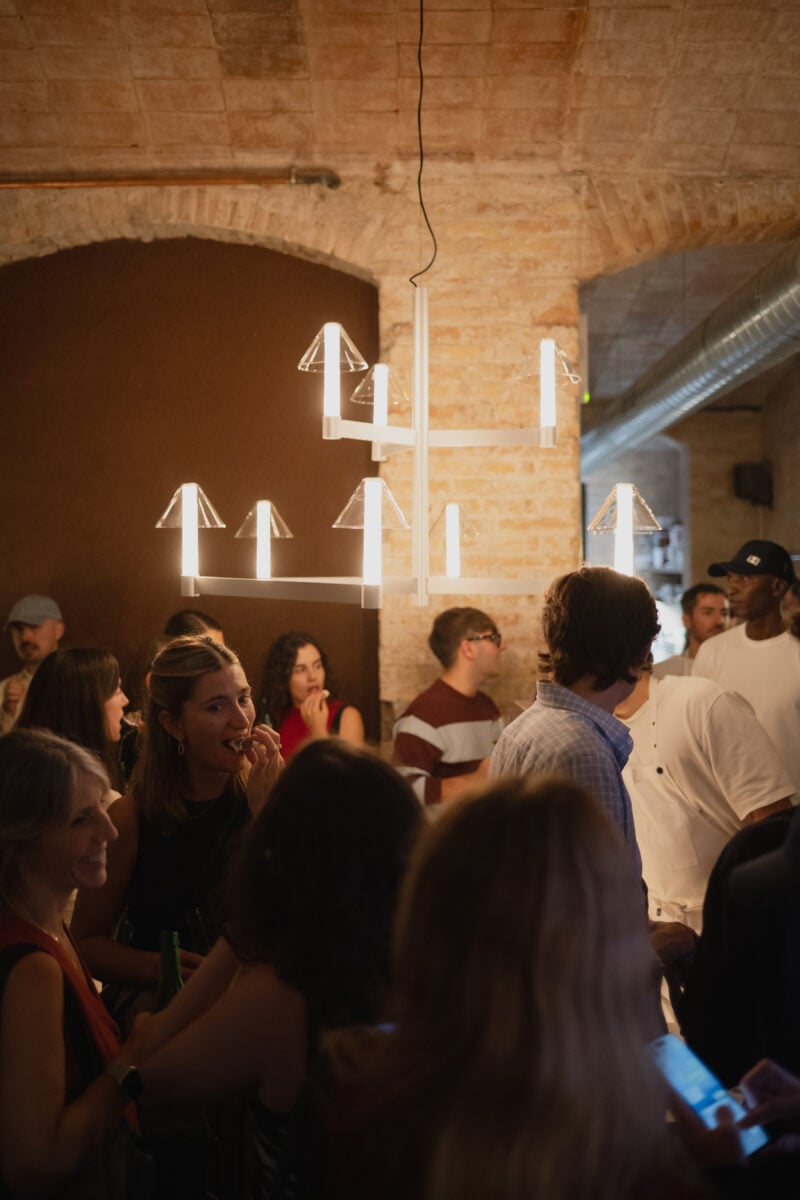
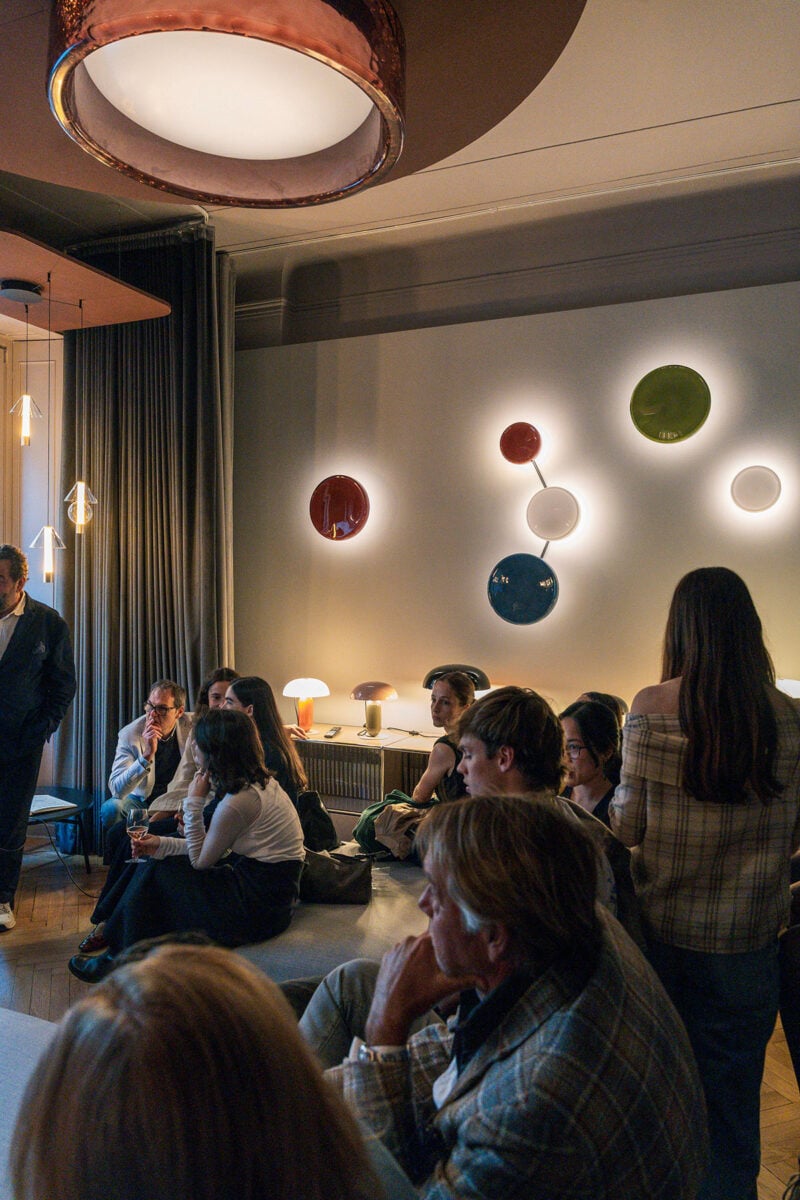
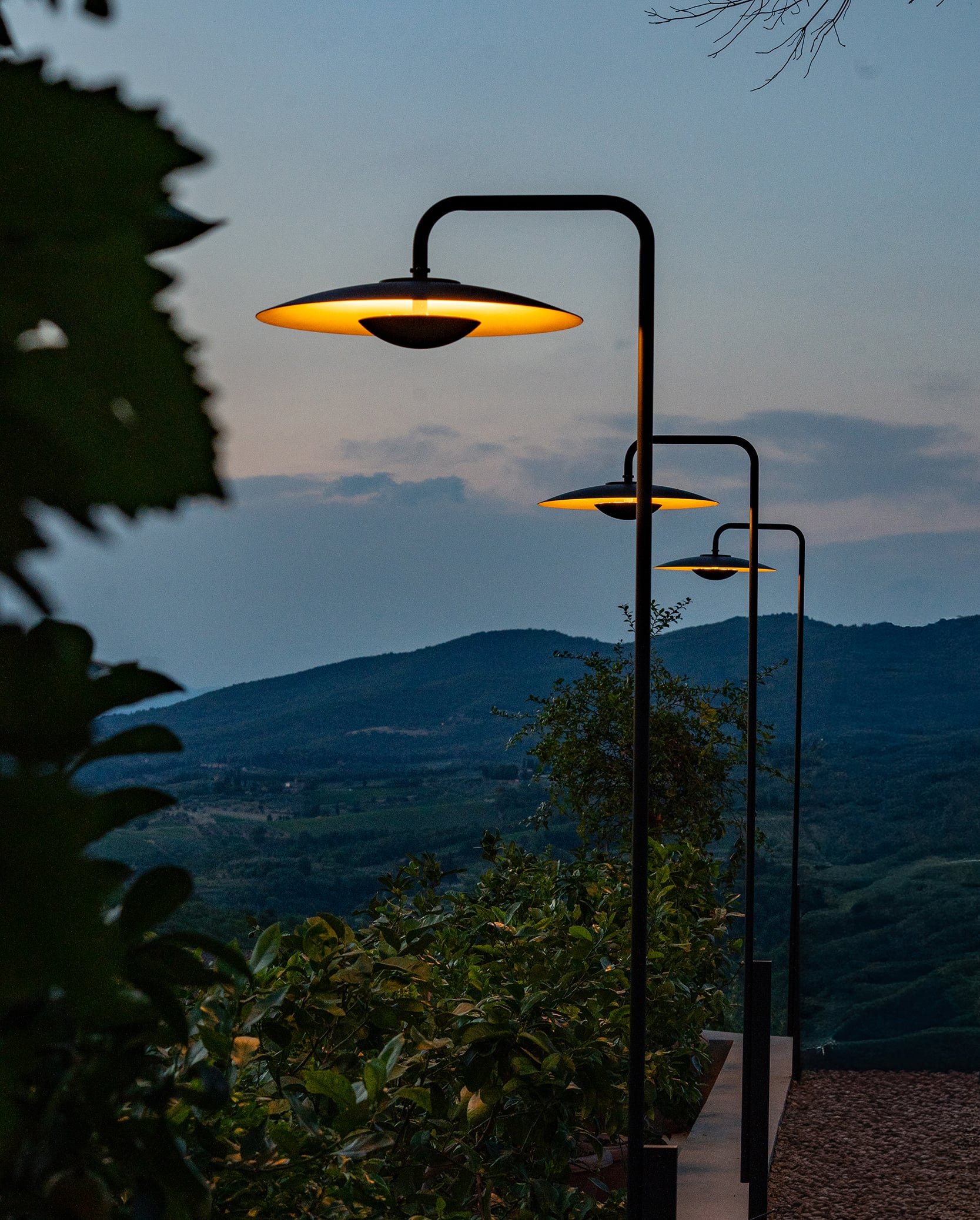
ESLighting was conceived as a seamless extension of natural light. During the day, large openings flood the interiors with daylight; after sunset, Marset's lighting takes over with a warm, understated glow that gently connects the indoor spaces with the gardens and terraces, preserving the same sense of continuity.
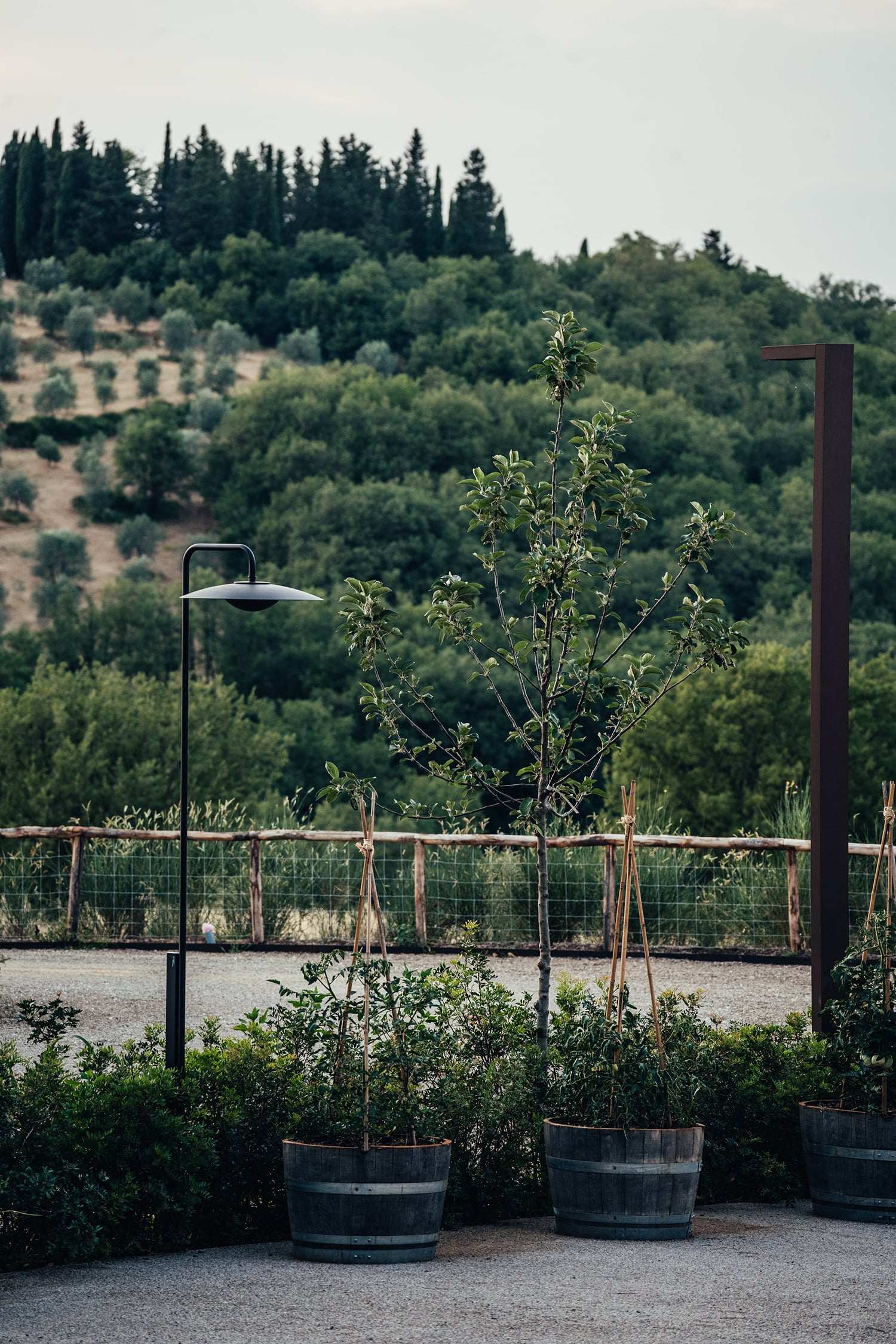
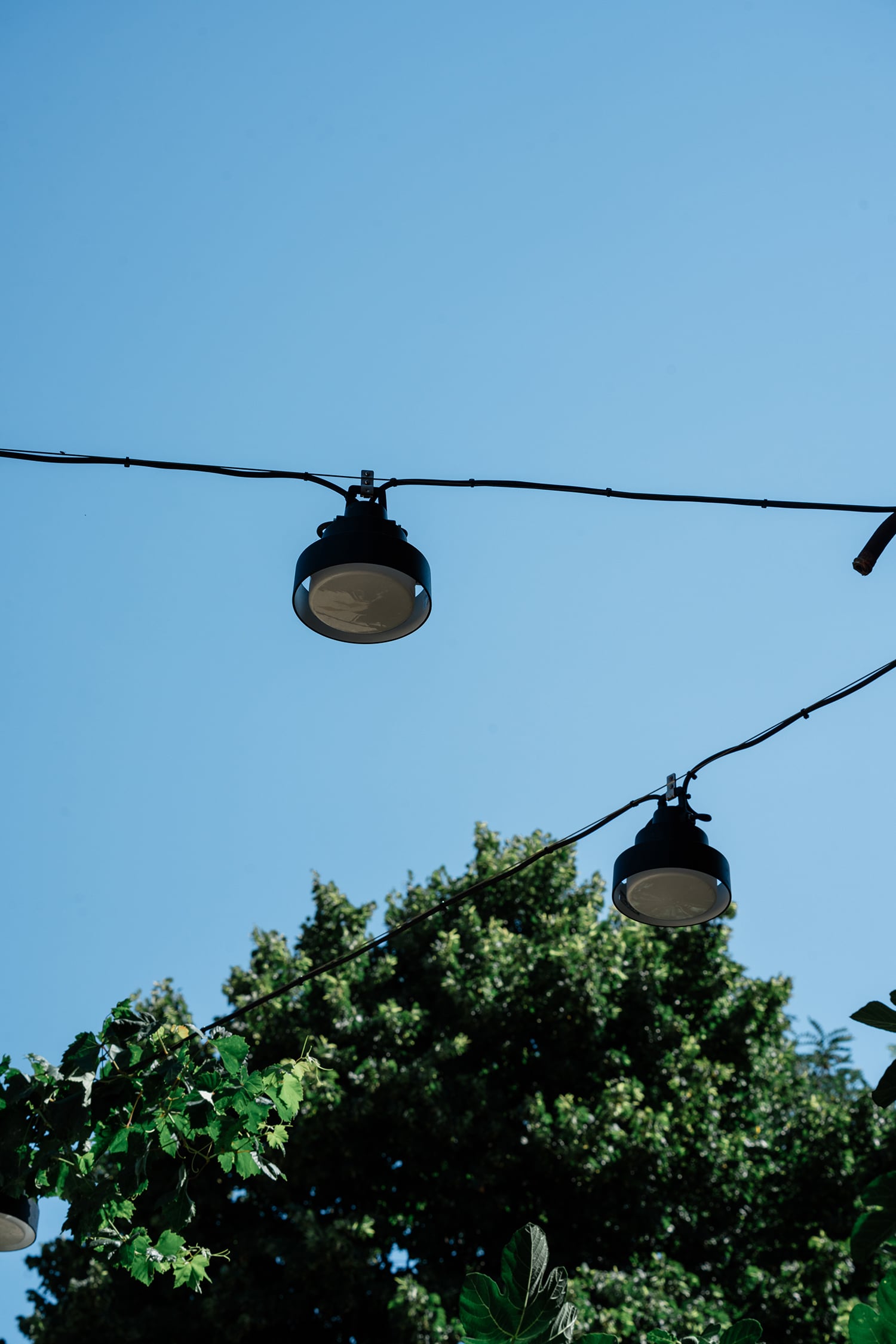
Ginger and Plaff-on! blend into the project almost as an extension of the architecture itself. What were you hoping the outdoor lighting would contribute to the experience?
ESWe wanted the outdoor lighting to feel discreet and natural, enhancing rather than dominating the landscape. Marset's fixtures help create a soft, welcoming atmosphere that extends the interiors outdoors, allowing guests to experience the estate comfortably from day into night.
The estate is constantly shaped by the rhythm of the seasons, the harvest and agricultural life. How does the project respond to this ever-changing landscape?
ESThe project was designed to embrace change rather than resist it. Large openings, natural materials, and the continuous dialogue between indoors and outdoors allow the interiors to reflect the changing light, colours, and rhythms of the estate throughout the year. Of course, our vegetable garden and the restaurant's seasonal menus further reinforce this connection to the changing seasons.
Marset_Vignamaggio_1
Marset_Vignamaggio_4
La Fattoria feels less like a destination and more like an invitation to experience a territory. What do you hope visitors take away with them after spending time here?
ESI hope they leave with a deeper understanding of Vignamaggio—not only as a beautiful place but as a living agricultural estate. Through the spaces, the landscape, and the food, guests experience the connection between the land, its products, and the people who care for it.
If La Fattoria were a single image or feeling, what would it be?
ESIf La Fattoria were a single feeling, it would be the aroma of Vin Santo. The “vinsantaia”, with its notes of almonds, honey, and ageing wine, captures the authentic character of Vignamaggio and its deep connection to tradition.